Ngor Island Practical Tips
A stay on Ngor Island, just off the tip of Dakar, feels wonderfully simple once you understand the basics. There are no cars, the crossing is short, the sea is always close, and most days revolve around boats, meals, tides, and light. Yet that simplicity works best when you arrive prepared: with enough cash, the right sun protection, a few greetings in Wolof, and a clear idea of how the island rhythm works.
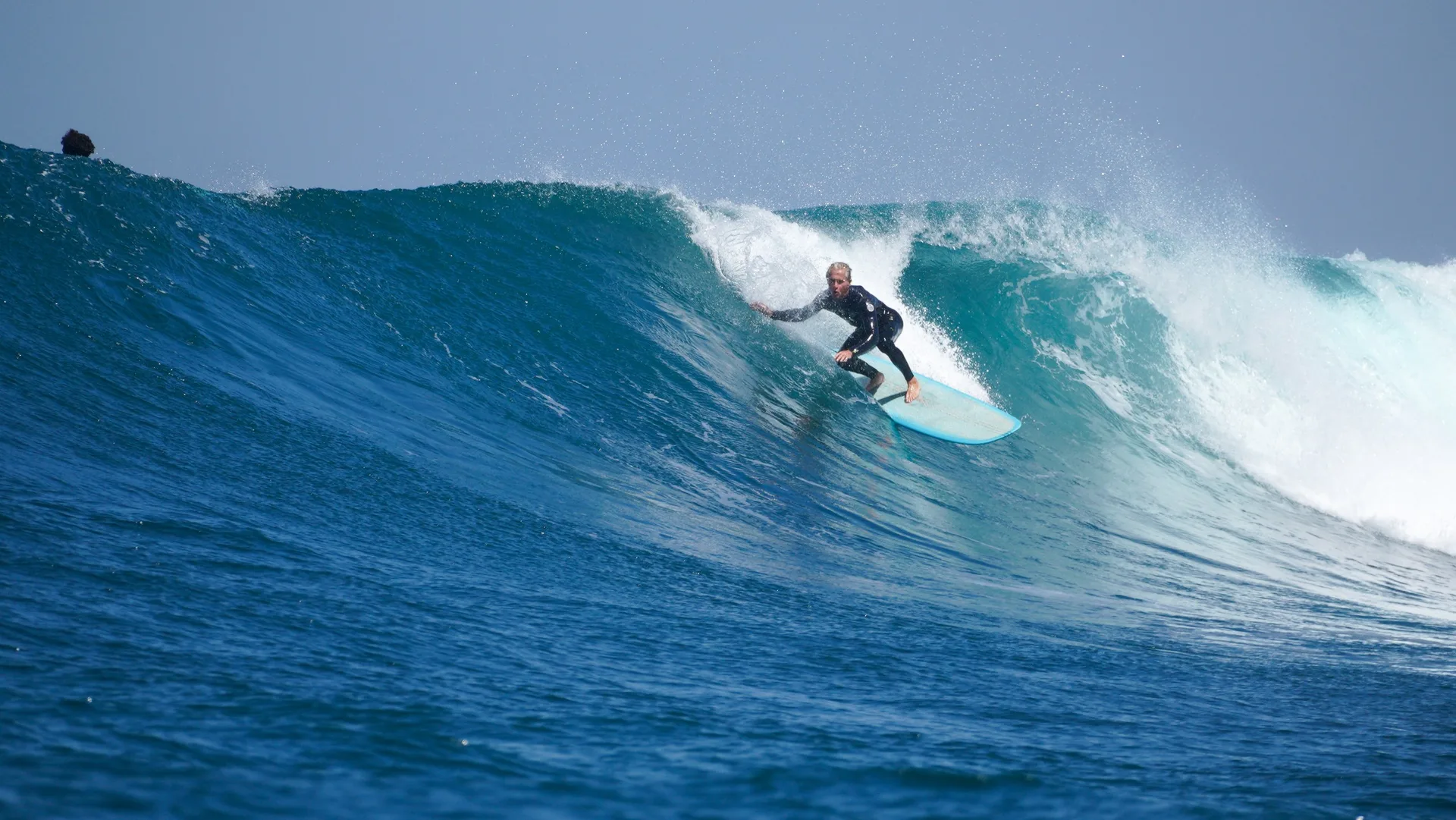
For surfers, travellers, and first-time visitors alike, Île de Ngor is one of the most memorable places in Senegal. It is famous for the waves of Ngor Right and Ngor Left, for its appearance in The Endless Summer, and for its relaxed village atmosphere. This guide covers the practical side of a smooth stay, from flights into Dakar to pirogue fares, packing, health, safety, and local etiquette, with Ngor Surfcamp Teranga as a natural base for surf-focused travellers.
Getting to Dakar and planning your arrival
Most international visitors arrive through Blaise Diagne International Airport, AIBD, which sits about 45 km from central Dakar. The drive time depends heavily on traffic and the hour of arrival, but in normal conditions you should allow 45 minutes to 1 hour 15 minutes to reach the Ngor area. If you land late at night, the journey can be faster. If you land in the late afternoon, Dakar traffic can stretch things considerably.
Dakar is well connected by major airlines. Common options include Air France, Air Senegal, Turkish Airlines, Royal Air Maroc, and Brussels Airlines. Depending on your departure city, you may connect through Paris, Istanbul, Casablanca, or Brussels. Air Senegal also links Dakar with several West African and European destinations, which makes regional travel relatively straightforward if Senegal is part of a longer trip.
Visa rules change, so it is wise to check official requirements before booking. In practice, travellers from the EU, US, and UK often find entry relatively simple, but you should always confirm current rules with the Senegalese embassy or an official government source before departure. Some nationalities may not need a visa for short stays, while others may need onward travel proof, accommodation details, or passport validity beyond six months.
TIP: Try to land in daylight if possible. Your first transfer, boat crossing, and beach landing are easier when you can see the coastline and get your bearings.
Arrival essentials at AIBD
The airport is modern and generally straightforward to navigate. After immigration and baggage claim, you will find ATMs, SIM card options, and taxi drivers waiting outside. If this is your first time in Senegal, it helps to sort out a few basics before leaving the airport, especially if you are heading straight to Ngor Island.
Useful arrival priorities:
- Withdraw some XOF, the West African CFA franc
- Buy a local SIM card if you want data immediately
- Confirm your transfer price before getting into a taxi
- Message your accommodation with your arrival time
- Keep small notes handy for the boat and minor purchases
If you are staying at Ngor Surfcamp Teranga, arranging your arrival in advance makes the first day much smoother, especially if your flight lands late or if you are travelling with surfboards.
From the airport to Ngor and the boat to the island
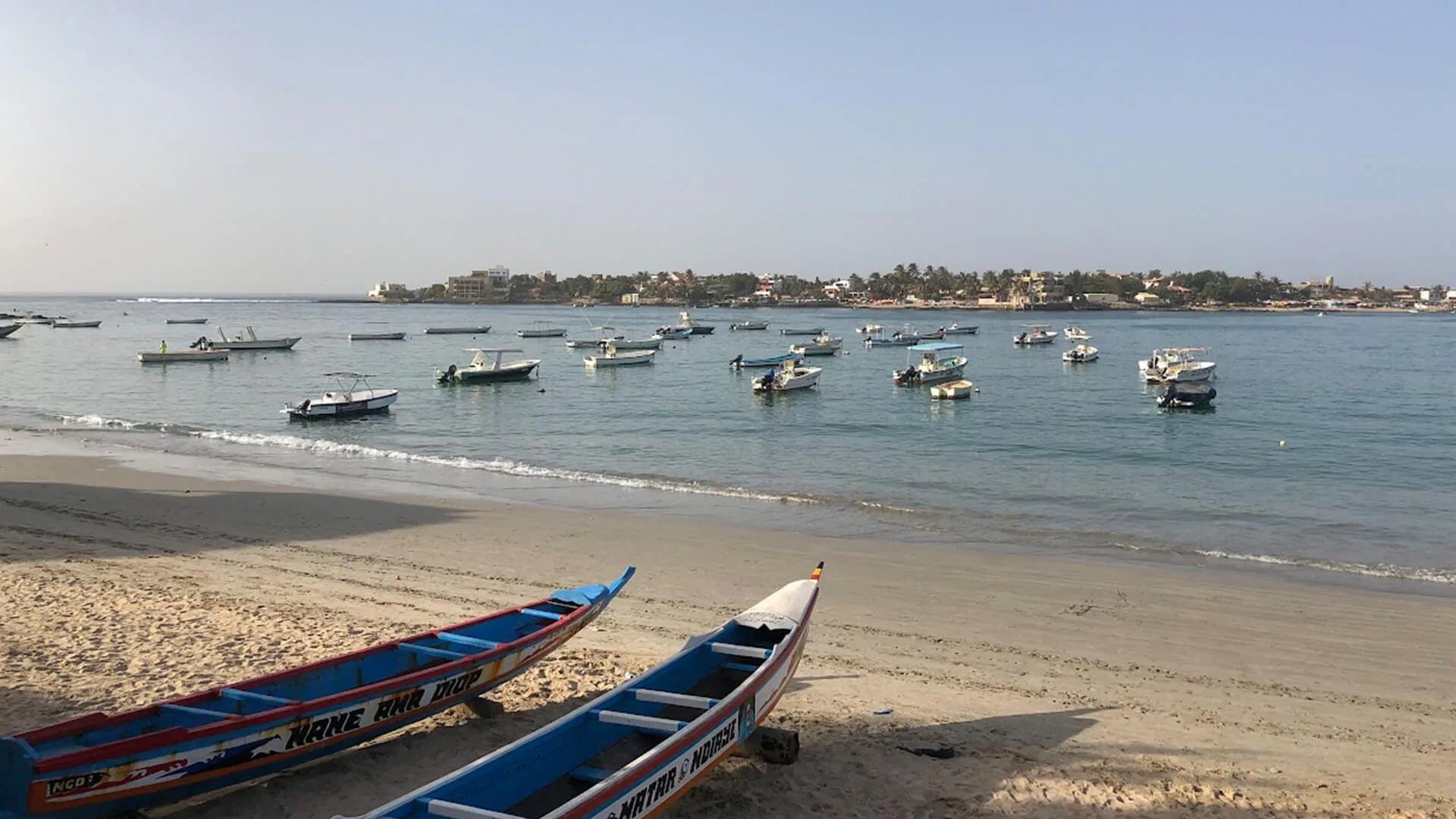
Reaching Ngor is a two-step process. First, you travel from the airport to the Ngor beach area on the mainland. Then you cross by pirogue, the small wooden boat used by locals and visitors alike. It sounds adventurous, but it is part of daily life and quickly becomes routine.
From AIBD, a standard taxi to the Ngor area usually works best if you have luggage. It is important to negotiate a fixed price in advance, rather than relying on a vague meter discussion. A realistic range is roughly 15,000 to 20,000 XOF, depending on time of day, traffic, and your bargaining confidence. If a driver starts much higher, negotiate calmly and clearly before loading bags.
App-based transport is increasingly useful in Dakar. Yango is widely used, and some visitors also refer to Uber-style services, though Yango tends to be the practical option on the ground. For many travellers, the easiest route is still a private transfer arranged through the camp, especially after a long flight or when carrying boards. This removes the stress of negotiation and ensures someone knows exactly where you need to go.
Crossing from Plage de Ngor
The boats to the island usually leave from Plage de Ngor on the mainland side. During the day, pirogues generally run about every 15 minutes, though this is best understood as an island rhythm rather than a strict timetable. If you arrive very early or late, crossings can often still be arranged, but it helps to coordinate ahead.
The usual fare is around 500 to 1,000 XOF each way, depending on luggage, time, and who is operating the crossing. Surfboards may cost extra. Keep small cash ready, because this is not the moment to produce a large bill and hope for change.
Beach landing is part of the experience. You may step into shallow water or onto wet sand when boarding or disembarking, depending on tide and swell. Wear sandals that can get wet or be ready to go barefoot for a few steps. If you have electronics or documents, keep them in a dry bag.
FACT: Ngor Island has no cars, which is one reason the place feels so calm the moment you arrive. Movement is on foot, by handcart, or by boat.
A smooth arrival sequence
- Land at AIBD
- Withdraw XOF and sort transport
- Drive to Plage de Ngor
- Take a pirogue to Île de Ngor
- Walk to your accommodation, or arrange help with bags
- Settle in before dark if possible
EXPERT: If you arrive with surfboards, tell your driver and your camp in advance. Board logistics are simple when everyone expects them, much less so when they appear unexpectedly at the boat.
Money, accommodation, and daily island logistics
The currency in Senegal is the West African CFA franc, written as XOF. While many places in Dakar accept cards, Ngor Island runs largely on cash, and there are no ATMs on the island. That makes planning essential. Withdraw enough money in Dakar before crossing, especially if you want to eat out, take extra boats, buy drinks, or tip guides and staff.
Typical prices help give you a feel for daily spending. A local beer is often around 1,500 XOF. A simple plate of grilled fish might cost 3,000 to 5,000 XOF depending on the restaurant and the catch. The boat crossing usually costs 500 to 1,000 XOF. If you are staying somewhere with meals included, your cash needs drop sharply, but you should still carry enough for extras and emergencies.
Tipping in Senegal is appreciated but generally modest. In casual settings, rounding up or leaving a small amount is normal. For drivers, boatmen, restaurant staff, and camp staff who have genuinely helped you, a practical tip is always well received. There is no need to overdo it, but courtesy matters.
Where to stay on Ngor Island
Accommodation on the island is intimate rather than large-scale. You will find a handful of guesthouses and simple lodgings, often with a local feel, sea views, and varying levels of comfort. Some are charming and quiet, but services can be basic, and not all are designed with surfers in mind.
For visitors coming specifically to surf, Ngor Surfcamp Teranga is the standout practical choice. It offers private and shared rooms, a pool, sea views, daily Senegalese meals, and, crucially, daily surf guiding with local knowledge. It is also licensed by the Senegalese Federation of Surfing, which adds confidence for travellers looking for a serious, well-run surf base rather than just a room near the water.
The camp suits a wide range of levels. Ngor Left is a more forgiving option that works for many surfers, while Ngor Right is a more powerful point break better suited to intermediate and advanced riders. Add in video coaching, boat logistics, and the ease of having breakfast and dinner sorted, and it becomes one of the simplest ways to enjoy the island without wasting energy on daily organisation.
TIP: Bring enough cash for at least your first two days, even if your accommodation is prepaid. Boat fares, drinks, snacks, and small purchases add up quickly.
What to pack for Ngor Island
Packing for Ngor is not complicated, but the right items make a huge difference. The island is warm, bright, salty, and casual. Days are dominated by sun and sea, while evenings can feel cooler than expected, especially during the Harmattan period when dry winds move in from the Sahara.
If you surf, think first about sun and reef protection. A rashguard is close to essential, and many surfers are glad they packed reef shoes, especially when getting in and out around rocky sections or when walking at low tide. A good reef-safe sunscreen matters, not only for your skin but also for minimising your impact on the marine environment. Even experienced tropical travellers underestimate the combination of Atlantic glare, reflection, and long water time.
A light evening layer is worth bringing, even though Senegal is warm. You probably will not need anything heavy, but a thin sweatshirt or long-sleeve shirt is useful after sunset, on breezy terraces, or early in the morning before a surf check. Since power sockets are generally European type C, a plug adapter may be necessary depending on where you are travelling from.
Practical packing list
CHECKLIST: Reef shoes Rashguard or surf top Reef-safe sunscreen Hat and sunglasses Light long-sleeve layer for evenings European plug adapter, type C Dry bag for boat crossings Refillable water bottle Basic first-aid items Cash in small notes
A refillable water bottle is especially useful. At Ngor Surfcamp Teranga, filtered water is available, which helps reduce plastic waste and saves repeated bottle purchases. On a small island, that kind of simple preparation goes a long way.
Bring clothing that respects the local setting. Swimwear is fine at the beach or in the water, but on village paths and around homes and restaurants, lightweight, modest clothing feels more appropriate. Loose shirts, shorts, dresses, sandals, and breathable fabrics work best.
Health, water, internet, and staying connected
For most travellers, Senegal is a straightforward destination health-wise, but a little preparation is wise. There are no universally mandatory vaccines for every visitor, though yellow fever is often recommended, and in some travel routes it may be required if you are arriving from a risk country. Speak to a travel doctor before departure for current advice based on your itinerary.
Many travellers also discuss malaria prophylaxis for Dakar and the wider region. Risk and recommendations vary by season, exact location, and personal health profile, so this is another point to cover with a medical professional before flying. Even if you do not take prophylaxis, mosquito prevention matters. Pack repellent, especially for evenings.
Water is another area where caution pays off. Drink filtered or bottled water only. Do not assume tap water is suitable for visitors. In a surf camp setting, filtered water access makes life much easier. Sun protection is equally important as hydration. Heatstroke and sunburn are more likely to affect travellers than dramatic tropical illnesses, particularly after long sessions in the water.
Pharmacies and basic medical support
For anything beyond basic first aid, Dakar is where you will find the best pharmacies and medical services. It is sensible to bring your own essentials, but if you forget sunscreen, painkillers, plasters, or stomach medication, you can find them on the mainland more easily than on the island.
Useful health habits:
- Drink filtered water regularly, not only when thirsty
- Reapply sunscreen after every surf or swim
- Clean reef cuts immediately
- Use mosquito repellent at dusk
- Consult a doctor before travel about vaccines and malaria
SIM cards and mobile data
Staying connected in Senegal is usually easy. Local SIM cards from Orange, Free, and Expresso are affordable and widely used. Data packages are generally cheap compared with Europe or North America, and 4G coverage in the Dakar and Ngor area is usually good. For most visitors, Orange has the strongest reputation for reliability, though all three can work well depending on your usage.
If your phone is unlocked, buying a local SIM at the airport or in Dakar is often worth it. It makes messaging your accommodation, checking tides, using Yango, and handling day-to-day logistics much easier. Wi-Fi quality varies by accommodation, but mobile data often fills the gap nicely.
FACT: Although Ngor Island feels remote, it sits just off one of West Africa’s busiest capitals, so mobile coverage is much stronger than many first-time visitors expect.
Language, safety, and local etiquette
One of the pleasures of staying on Ngor is that communication is usually manageable, even if you arrive with no local language. French is the official language and is widely spoken. Wolof is the everyday language for many people in Dakar and on the island. English is growing in tourism and surfing circles, but it is still worth learning a few basics.
Simple Wolof greetings make a real difference. Try “Nanga def?” for “How are you?”, “Mangi fi” for “I’m fine”, and “Jërejëf” for “Thank you”. You do not need perfect pronunciation. The effort itself is appreciated, and greetings matter culturally. Senegalese social interaction is often warm and courteous, so diving straight into a request without greeting first can feel abrupt.
Safety on Ngor Island is generally good. The island is small, community-based, and calmer than central Dakar. That said, sensible travel habits still apply. Keep valuables secure, avoid leaving phones unattended on the beach, and know where your cash is. In Dakar, use normal city precautions, especially after dark. Do not flash expensive items, and if you are moving around at night, using Yango is often a more comfortable option than hailing random street taxis.
Ocean safety and beach awareness
The biggest practical risk for many visitors is not crime, but the ocean. Conditions can change quickly, currents can be strong, and entry points vary by tide and swell. Never assume a calm-looking area is automatically safe for swimming. If in doubt, ask locals or your surf guide before getting in.
For surfers, local knowledge is invaluable. Ngor Right is a serious wave with power and consequence, while Ngor Left is more approachable for a broader range of surfers. A guided setup like Ngor Surfcamp Teranga helps you avoid poor timing, unsuitable conditions, or simple mistakes that visitors make when reading the ocean without context.
EXPERT: Always ask about currents, rocks, and exit points before free-swimming around the island. Atlantic water can look inviting and still be deceptively strong.
Cultural respect on the island
Ngor is relaxed, but it is not a resort bubble. People live, work, pray, and raise families here. Respectful behaviour is easy and goes a long way. If you want to photograph people, homes, fishing activity, or children, ask first. Many people will say yes, but permission matters.
Dress modestly when away from the beach, especially near mosques or during more formal moments. Friday is the holy day in Senegal, and you may notice a different rhythm around midday prayers. This is not something to worry about, simply something to respect. Keep noise low near places of worship and be mindful of local routines.
Best time to visit Ngor Island
The classic season for many surfers and sun-seekers is November to March. This is the dry season, and it often brings cleaner weather, comfortable temperatures, offshore winds, and consistent swell potential. If your main goal is to surf Ngor in its most dependable form, this is the period many people target.
These months also tend to offer the easiest overall travel conditions. Humidity is lower, skies are often clearer, and daily life on the island feels especially easy. For beginners and intermediates, this can be a great window to combine surf progression with relaxed island time. For stronger surfers, it is also the season when Ngor Right can show why it became legendary.
That said, April to October has its own appeal. You may find fewer crowds, a softer rhythm, and a greener, more atmospheric feel at certain times of year. Conditions can be less predictable, and there may be more humidity or rain, but travellers who value space and a quieter setting often enjoy this period. If you are flexible and open-minded, Ngor remains rewarding outside peak surf season.
Choosing your season by travel style
If you want:
- Best surf consistency, aim for November to March
- Drier weather, choose the same window
- Fewer people, consider April to October
- A quieter island mood, shoulder months can be ideal
- Warm water and daily ocean time, Ngor works for much of the year
TIP: If surfing is your priority, ask your camp about recent swell patterns and your level before booking. The best month for an advanced surfer is not always the best month for a beginner.
The rhythm of island life and making the most of your stay
What makes Ngor special is not only the surf, but the way practical details shape the atmosphere. You wake to ocean light, check the wind, grab coffee, take a boat, walk sandy lanes, greet neighbours, and organise your day around tides and meals rather than traffic and schedules. Once you adapt to that pace, the island becomes very easy to love.
This is why staying somewhere set up for the island’s rhythm matters. At Ngor Surfcamp Teranga, the combination of boat transfers, daily surf guiding, breakfast and dinner, and a comfortable base with a pool and sea views removes many of the small frictions that can otherwise eat into your trip. Instead of spending energy finding food, chasing information, or guessing where to surf, you can focus on enjoying the place.
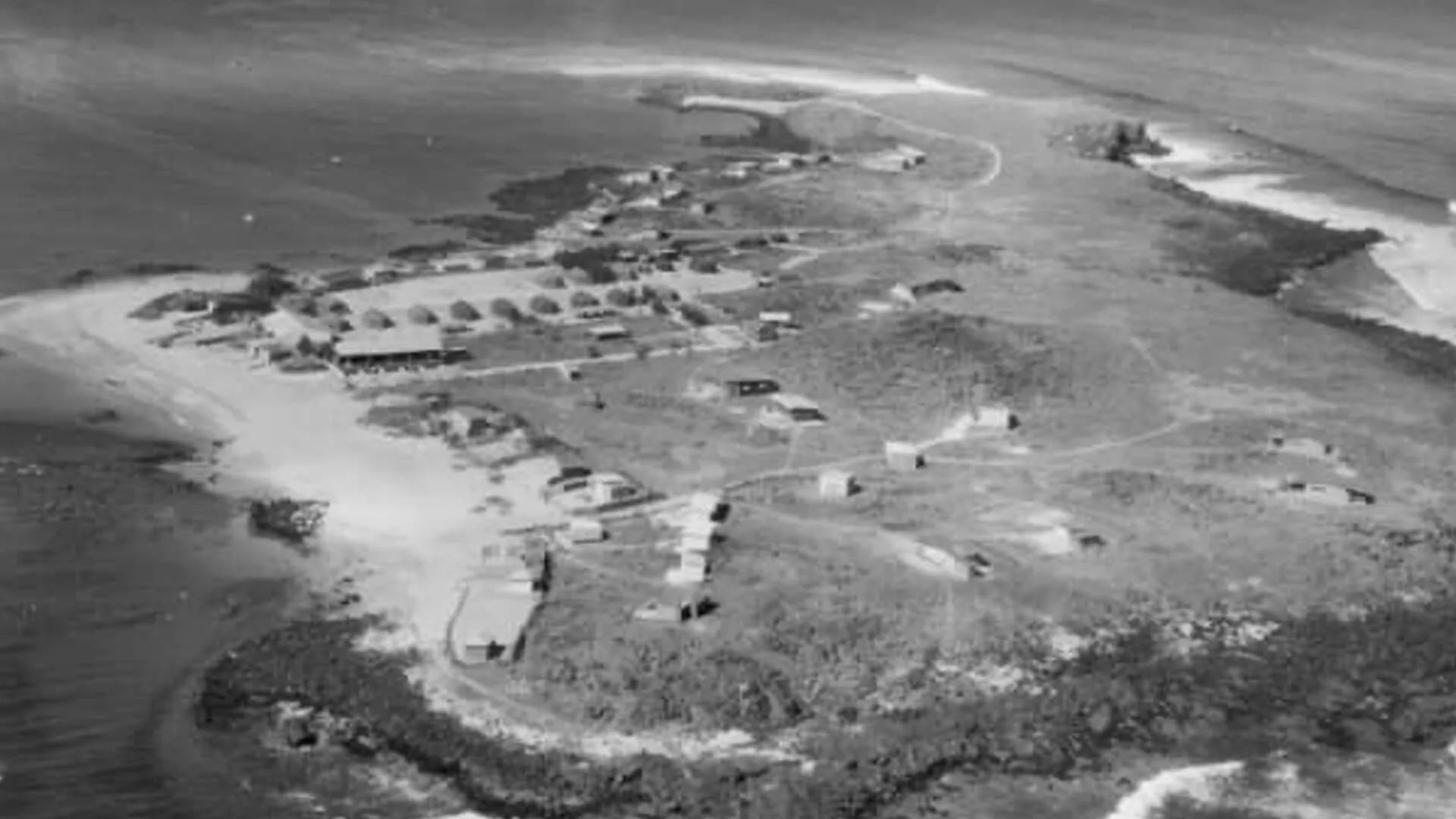
It is also worth remembering the island’s place in surf history. Ngor entered global surf imagination through *The Endless Summer*, released in 1966, and that cinematic legacy still draws people here. Yet the real reward is not nostalgia. It is the lived experience of a small Atlantic island where local life, fishing culture, and world-class waves still coexist in a compact, walkable setting.
SUMMARY: Ngor Island is easy to enjoy if you plan the essentials well. Fly into AIBD, arrange a clear transfer to Plage de Ngor, carry enough XOF, and expect a short pirogue crossing to a car-free island. Pack for sun, salt, and light evening wind. Drink filtered water, use local greetings, respect village customs, and ask about ocean conditions before swimming or surfing. For the smoothest stay, especially if surf is the reason you are coming, Ngor Surfcamp Teranga offers one of the best setups on the island, with rooms, meals, guiding, and local expertise built in.
If you are planning a surf trip or simply want a comfortable base on Île de Ngor, contact Ngor Surfcamp Teranga on WhatsApp: +221 78 925 70 25 and let the island start the easy way.
As tarifas mudam; leve notas pequenas em CFA e confirme a ida e volta. Blogs de turismo frequentemente citam algumas centenas a alguns milhares de XOF, verifique no dia.
Muitos viajantes preferem água engarrafada selada. Em caso de dúvida, pergunte à sua acomodação.
Traga uma garrafa reutilizável sempre que possível e descarte o lixo de forma responsável, os ecossistemas insulares são frágeis.