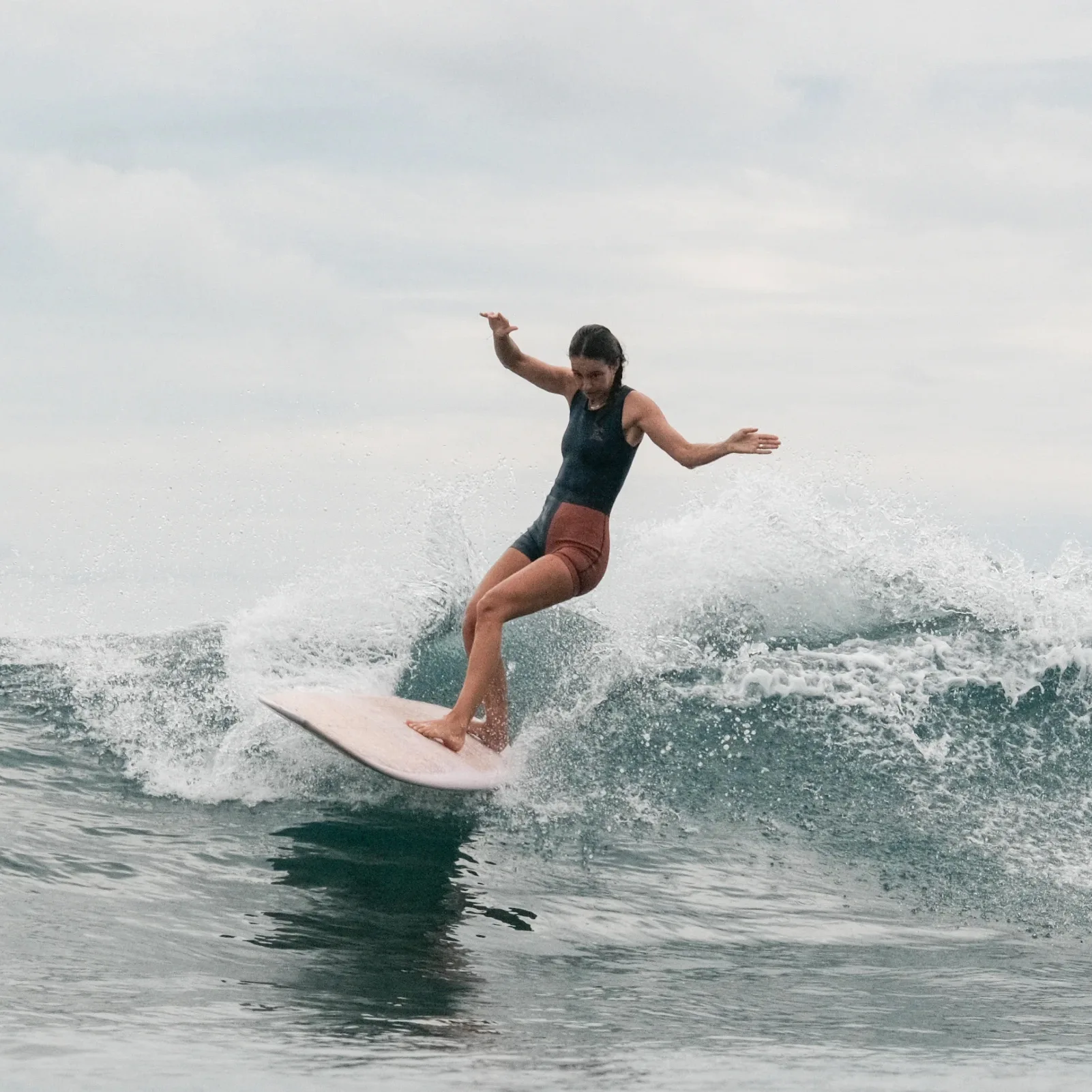
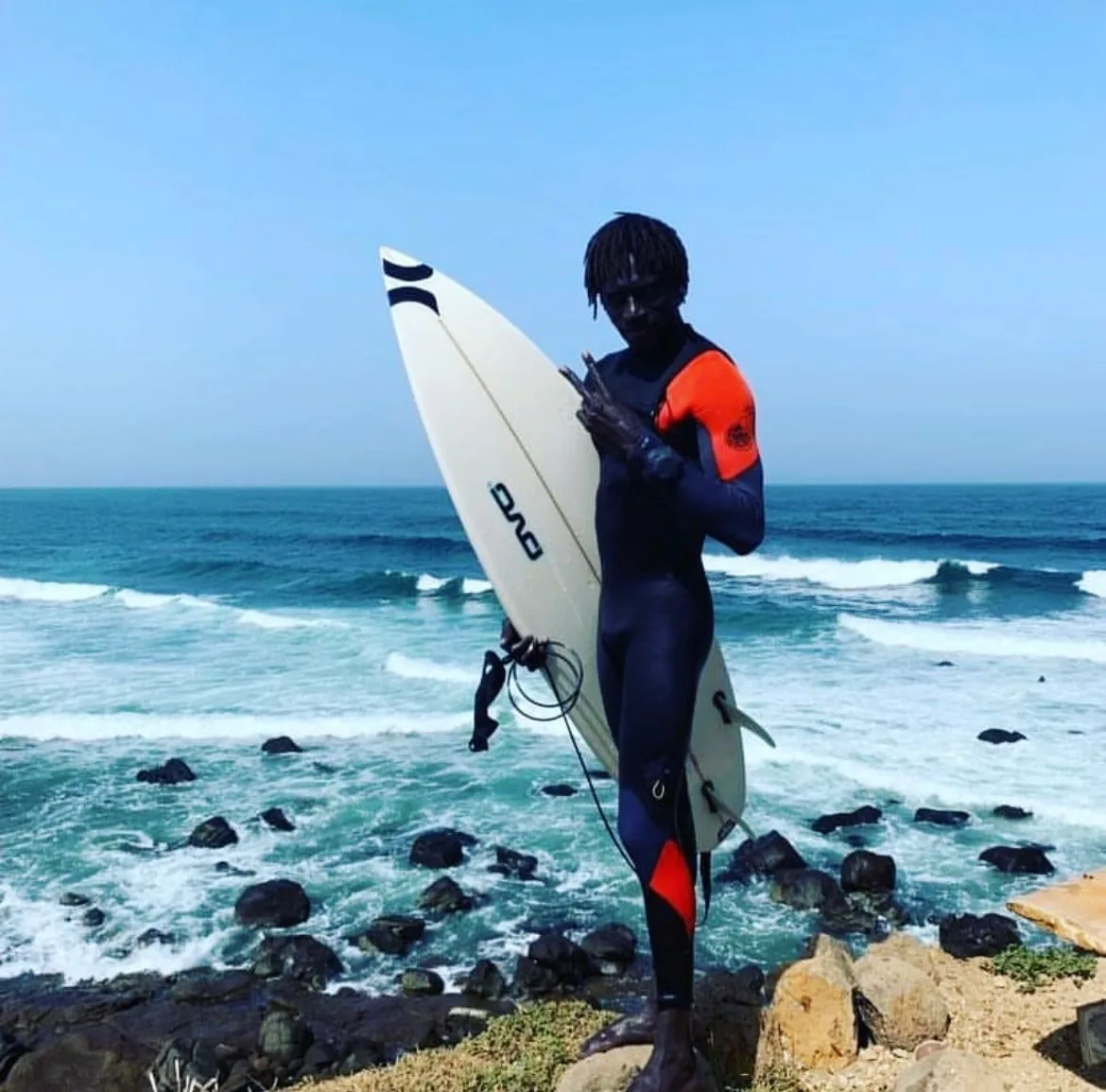
Before surfers scan the horizon for the first set, other men are already at sea.
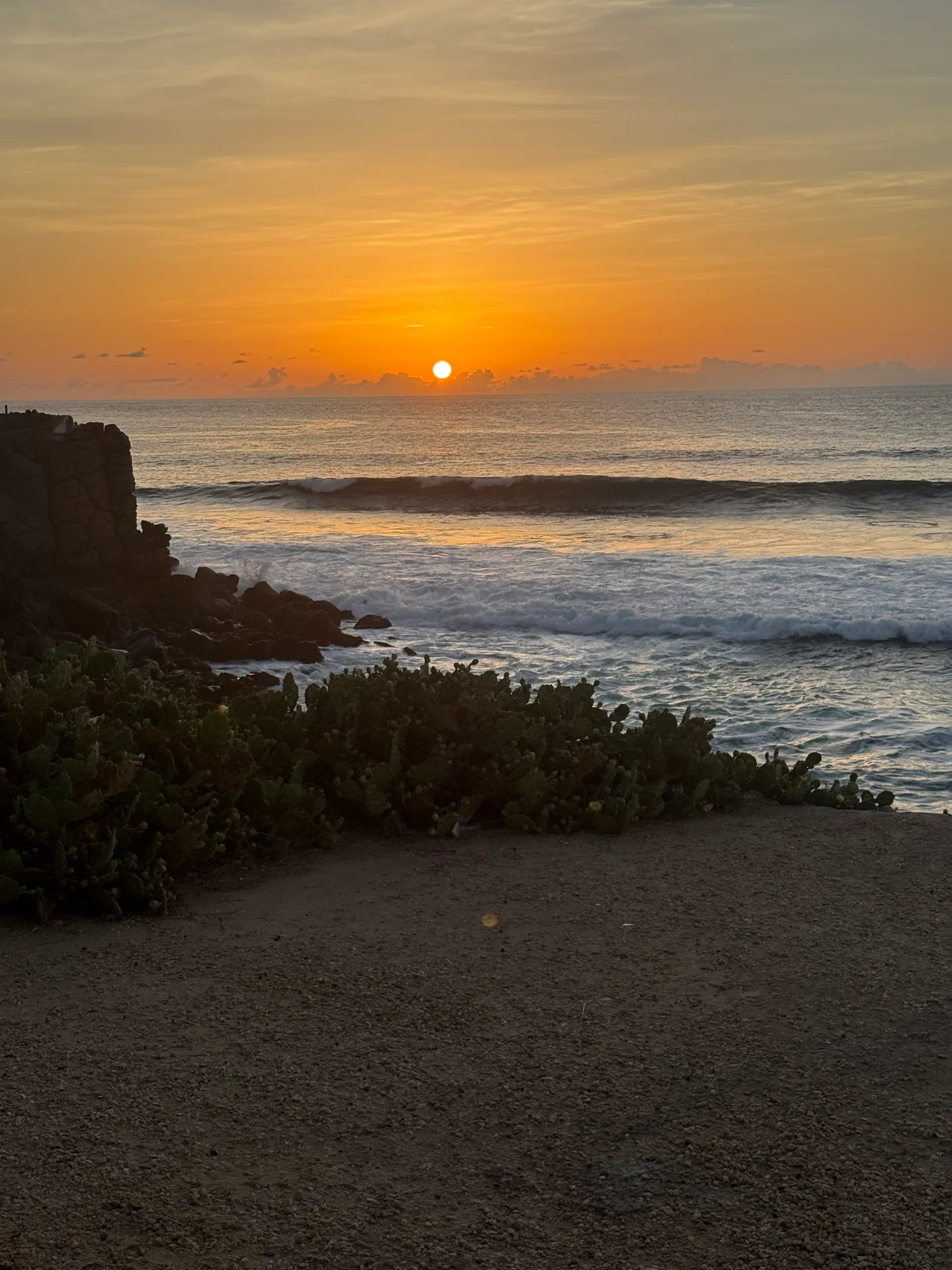
It's five in the morning on the Senegalese coast. The light still hesitates between the deep blue of night and the first orange hues of dawn. On the beach, silhouettes slowly push out long, hand-painted pirogues. The engines sputter, a few voices rise in the wind, then the boat cuts through the Atlantic rollers with a precision honed over generations.
The show lasts a few minutes.
Then the ocean swallowed them.
For those discovering Senegal from their surfboard, these early morning departures quickly become familiar. They serve as a reminder that long before waves were a playground, they were first and foremost a means of survival.
A culture born from the sea
In Senegal, fishing isn't just one activity among many. It's one of the pillars of the country's identity.
Along the coasts of Saint-Louis, Kayar, Mbour, Joal-Fadiouth, or the Dakar peninsula, the sea has set the rhythm of daily life for centuries. Departure times, tides, winds, and seasons trace an invisible calendar that fishermen know better than any weather forecast.
Here, the ocean doesn't take appointments.
She listens to herself.
The elders still speak of currents like old traveling companions. They can recognize an unusual swell by the color of the water, anticipate the wind from the shape of the clouds, or sense the presence of a school of fish by observing the birds' behavior.
This knowledge isn't learned from books.
It spreads.
The Pirogues: Floating Works of Art
You can't walk across a Senegalese beach without being struck by their colors.
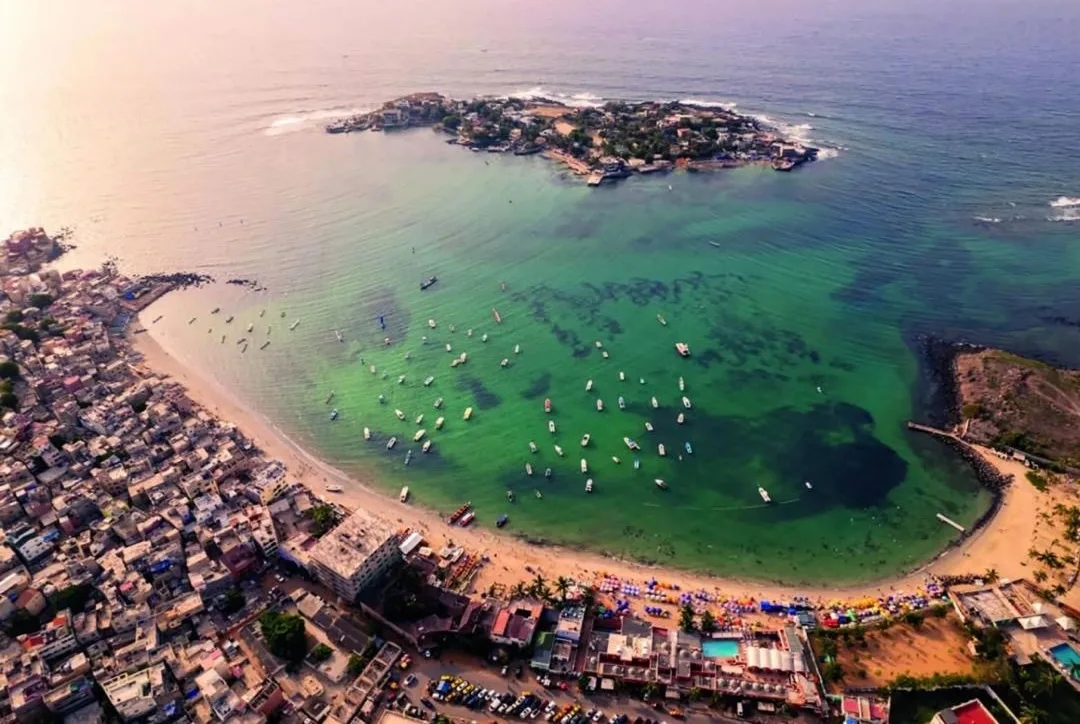
The pirogues are painted like canvases. Electric blue, sunshine yellow, bright red, emerald green. Geometric patterns mingle with verses, protective symbols, or the name of a child, a neighborhood, or a saint.
No two are really alike.
Every boat tells a story.
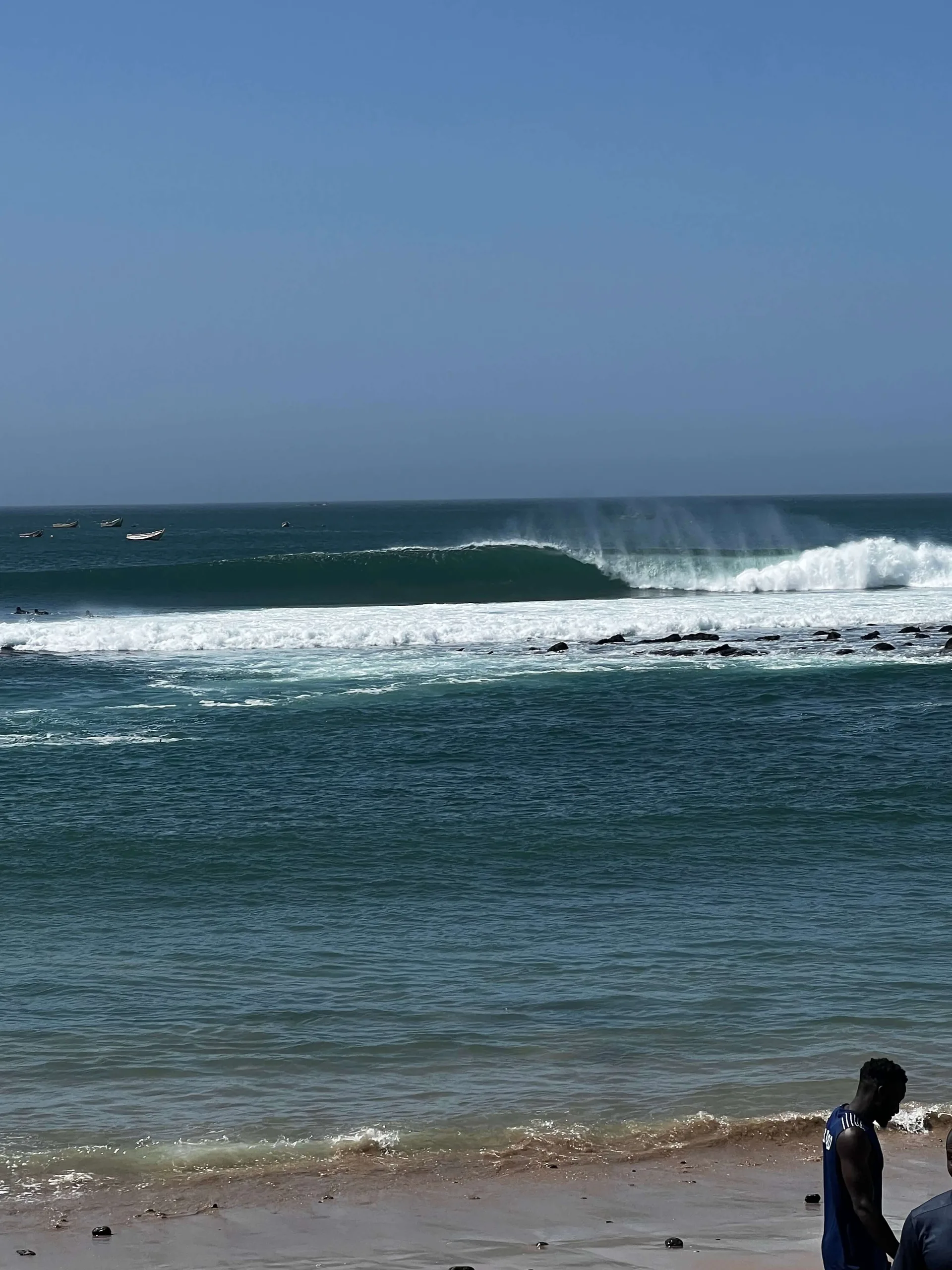
From the open ocean, as the first waves peel toward the coast, this colorful fleet transforms the horizon into a moving art gallery.
Even the most experienced photographers struggle to do justice to this color palette.
Between the Waves
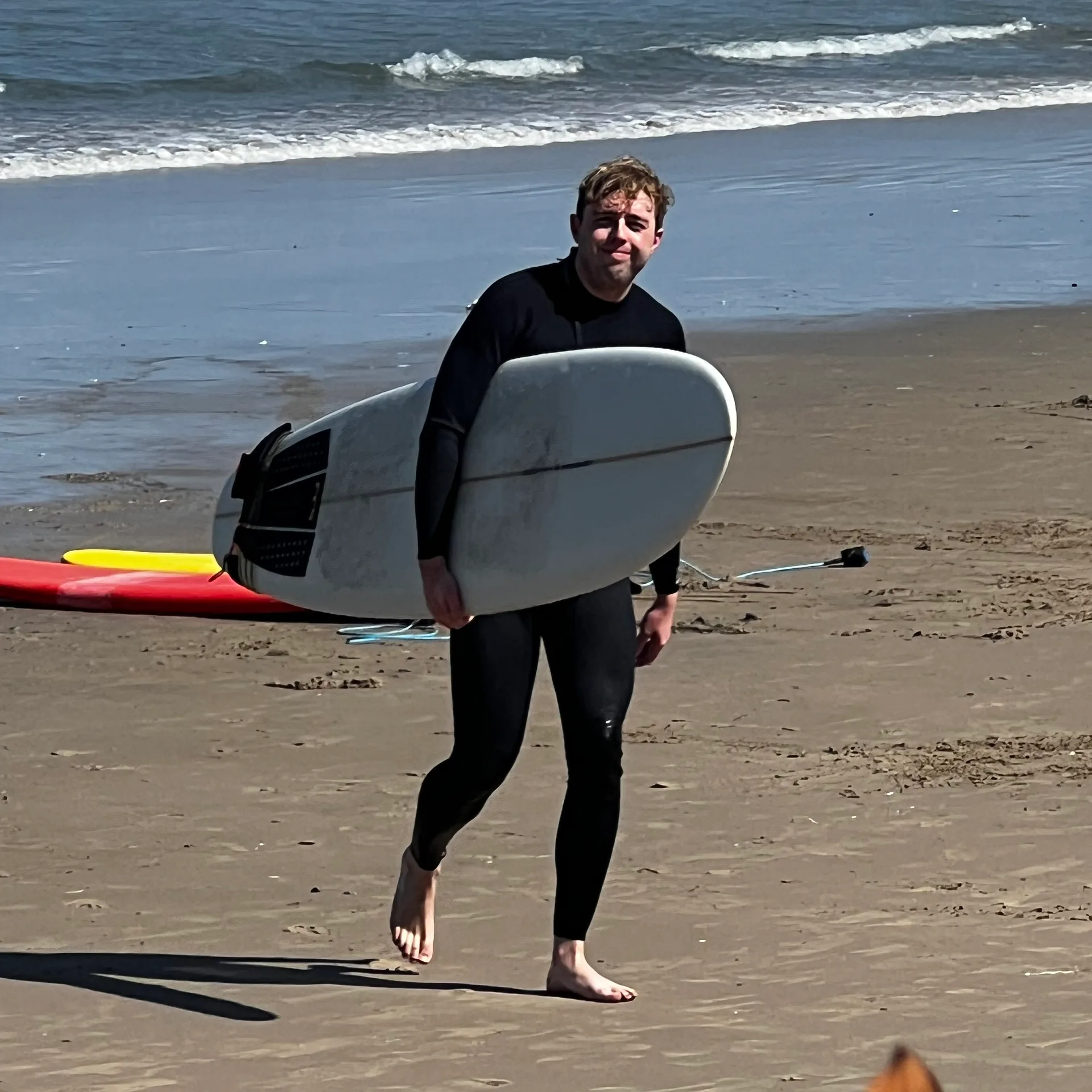
For surfers, fishermen are part of the scenery.
The two worlds meet every day.
Sometimes we share the same peak, the same current, the same reading of the sea. The first seek the perfect line. The second seek the fish. All watch the wind. All wait for the right moment.
This coexistence requires mutual respect.
A wave belongs to no one.
The ocean even less.
In Senegal, this truth seems to have always existed.
The return
In the late morning, the fishing boats return.
From the beach, you first spot their colors. Then the silhouettes. Finally, the voices.
The engines slow down as they approach the sand. Dozens of arms appear instantly to pull the boats out of the water. No one seems to need to be called. Everyone knows their role.
The baskets fill up with thiof, capitaine, sea bream, sardinella, and barracuda.
A few minutes later, the fish are already on their way to markets, restaurants, or family kitchens.
The ocean has never stopped nourishing the city.
A Tradition Facing Modern Challenges
But behind this beauty lies a more complex reality.
Fishermen often talk about longer trips, less abundant catches, and waters that have become more unpredictable. The pressure on marine resources, climate change, and competition from industrial fishing fleets are gradually transforming their way of life.
Every return to the harbor now carries a silent question: what will remain tomorrow?
Yet, despite these uncertainties, departures continue every morning.
Because fishing is more than just a job.
It's a way of inhabiting the world.
What the Ocean Teaches
There is a shared wisdom between fishermen and surfers.
Everyone knows the ocean rarely rewards impatience.
Everyone understands that some days give everything, while others give nothing.
Everyone learns to come back.
Perhaps this is where the true connection between these two worlds lies.
Surfing often seeks the perfect wave.
Fishing serves as a reminder that the ocean is never just a backdrop. It is a living presence,sometimes generous, sometimes demanding,always older than those who cross its waters.
Last Light
At sunset, the pirogues rest on the sand. Children play around the colorful hulls, nets dry slowly, and conversations linger until nightfall.
Out at sea, the Atlantic regains its calm.
Tomorrow, long before the first surfers check the swell forecast or the beaches come alive, the guardians of the sea will already be out there.
Their horizon isn't the one from postcards.
It's that of a lifetime spent reading the waves, winds, and tides.
And it is perhaps through them that Senegal reveals its deepest connection with the ocean.