What to Do on Ngor Island
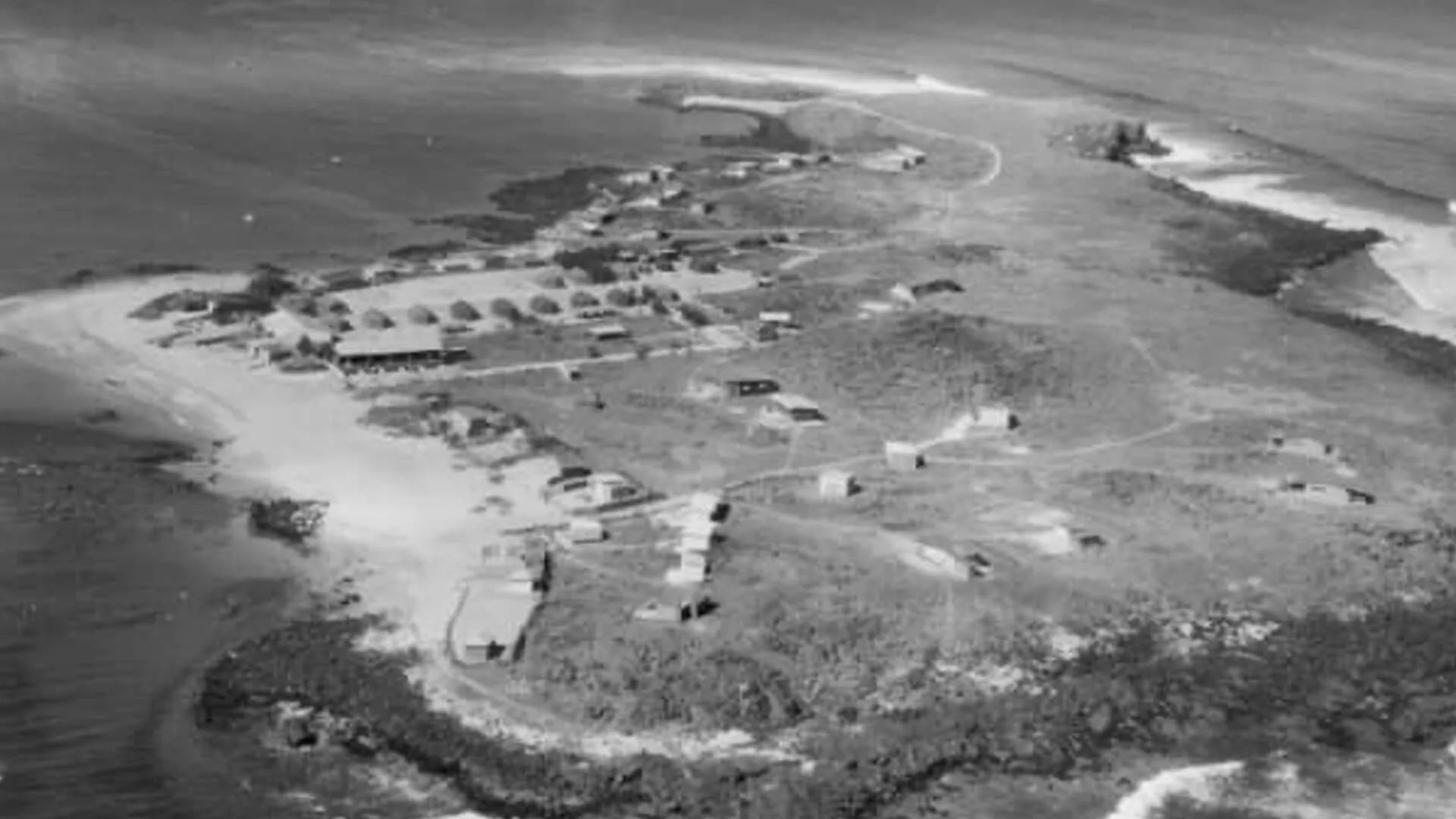
Just off the tip of Dakar’s Almadies peninsula, Ngor Island, or Île de Ngor, feels like a small world apart. The crossing takes only 5 to 10 minutes by pirogue, yet the mood changes instantly. Cars disappear, streets shrink into sandy lanes, Atlantic light bounces off painted walls, and the pace slows to something much softer than the city opposite. For many visitors, that contrast is the magic. You can surf a famous wave in the morning, eat grilled fish by the water at lunch, circle the whole island on foot in half an hour, and still be back in Dakar by late afternoon.
Ngor is also one of those rare places that works for different kinds of travellers at once. Surfers know it for Ngor Right and Ngor Left, and for its place in surf history through The Endless Summer. Families come for calmer beaches and easy day trips. Couples come for sunsets. Solo travellers come for the simplicity of island life. If you want a comfortable base with local knowledge, Ngor Surfcamp Teranga stands out for its sea views, pool, daily Senegalese meals, boat transfers, and guided surf access on an island where logistics are part of the experience.
Getting to Ngor Island, the boat crossing and first impressions
The usual departure point for Ngor Island is the small beach and jetty area at Ngor village, on the mainland side near Dakar’s western edge. Most visitors arrive by taxi from central Dakar, then continue the final stretch on foot to the beach. From there, local pirogues make the short crossing throughout the day. The ride is brief, usually 5 to 10 minutes, depending on tide, wind, and how many people are boarding.
Fares can vary a little according to season, time of day, and whether you are carrying boards or luggage, but a standard return crossing often falls around 1,000 to 2,000 XOF per person. If you have surfboards, large bags, or want a more direct private transfer, expect to pay more. Since this is a working local crossing rather than a polished tourist ferry, it helps to carry small cash in XOF and be ready for a practical, slightly wet landing.
On many crossings, especially at certain tides, the boat lands directly onto the sand rather than at a formal dock. That means stepping into shallow water, lifting your trousers or dress, and keeping electronics high and dry. It is all part of the island rhythm, and after one crossing it feels completely normal.
TIP: Carry your phone, passport, and cash in a small dry bag or zip pouch. Even on calm days, beach landings can splash.
What the arrival feels like
Stepping onto Ngor, the first thing most people notice is the absence of traffic noise. You hear water, voices, birds, and sometimes music from a courtyard or café. Houses sit close together in soft pastel tones, doors are painted in bright colours, and narrow lanes lead quickly from one side of the island to the other. You are never far from the sea.
Because the island is compact, it is easy to orient yourself within minutes. Accommodation, cafés, small shops, and surf viewpoints are all walkable. If you are staying at Ngor Surfcamp Teranga, the transfer process is particularly smooth, since the camp helps coordinate arrivals and departures and understands the daily rhythm of tides, surf, and meals.
Beaches, swimming and where to spend the day
Ngor may be famous for surfing, but it is also a very pleasant island for simply being by the water. The beaches are not all the same, and choosing the right side of the island makes a big difference depending on whether you want to swim, watch waves, sit with children, or enjoy a quieter patch of sand.
North beach, calmer water and family-friendly time
The north side of the island is generally the more sheltered and relaxed option. On calmer days, this is the best area for families, casual swimming, paddling, and lounging in the sun. The water can still change with wind and tide, but compared with the more exposed Atlantic-facing sections, it usually feels gentler and easier. You will often see locals chatting in the shade, children playing near the shore, and visitors taking a slow swim rather than battling current.
This side also works well if you want a beach stop without planning your whole day around surf conditions. Bring a towel, settle in for a while, then wander to lunch. Because the island is so small, you can combine beach time with a full walk and sunset later without needing transport.
South side and Atlantic exposure
The south and more exposed western edges of Ngor feel wilder. The scenery is dramatic, the swell is more visible, and this is often where the island’s surf identity is most obvious. It is beautiful for watching the ocean, taking photos from a respectful distance, and feeling the full Atlantic energy. It is not always the best place for casual swimming.
Conditions can change quickly, especially when surf is running. Rocks, currents, and wave energy deserve respect. If you are unsure, ask a local, your host, or a surf guide before entering the water. Visitors staying with Ngor Surfcamp Teranga have the advantage of daily guidance from people who know the island’s moods and can tell you whether a given side is safe for a dip, a paddle, or best left for viewing only.
Swimming safety tips
Ngor is easy to enjoy safely if you stay aware.
- Swim on the calmer side of the island, not near active surf take-off zones.
- Check the tide and swell before entering the water.
- Avoid isolated swims if you are unfamiliar with currents.
- Wear reef shoes if you plan to enter over rocky patches.
- Keep a close eye on children, even in apparently gentle water.
FACT: Ngor Island sits in the Atlantic opposite Dakar’s western tip, so even a small island beach can feel very different from one side to the other depending on wind and swell direction.
Walking the island, local life and the pleasure of going slowly
One of the best things to do on Ngor is also the simplest, walk it. The island is small enough that a full circumference walk takes roughly 30 minutes, though most people will want much longer because there is so much to pause for. You stop at viewpoints, glance into courtyards, admire painted facades, watch fishermen, and let yourself drift down side lanes just to see where they lead.
There is no need for a formal route. Start from your accommodation or the landing beach and keep the water in sight whenever possible. The paths curve naturally around homes, walls, and rocky edges. Some sections are sandy, others paved or compacted, and none are difficult, though comfortable sandals or light shoes help.
Painted doors, murals and island character
Ngor has a visual charm that rewards slow observation. Many visitors remember the painted doors, the hand-finished details on houses, and the occasional murals that add colour to corners and walls. Nothing feels staged in a theme-park sense. It is simply a lived-in island with personality. Laundry dries in the sun, neighbours greet one another, and everyday life becomes part of the landscape.
If you enjoy street photography or architectural details, this is one of the best places near Dakar to wander with your camera. That said, Ngor is a residential community first. Photographing buildings is usually easier than photographing people, and asking permission matters. A smile and a quick gesture toward your camera goes a long way.
Everyday neighbourhood life
Walking also gives you a better sense of how the island functions beyond tourism. You may see fish being cleaned, children heading to school, supplies arriving by boat, or residents relaxing in shaded doorways. Because there are no cars on the island, movement feels human in scale. Conversations carry. Footsteps matter. Distances become tiny and manageable.
That car-free character is a big part of why Ngor feels restorative. You are not fighting traffic, crossing roads, or listening for engines. For visitors used to busy urban travel, even one afternoon here can feel mentally spacious.
EXPERT: The best island walks happen in the early morning or from late afternoon to sunset. Midday light can be harsh, and sandy lanes feel hotter than they look.
Surf watching, wave history and where to stand safely
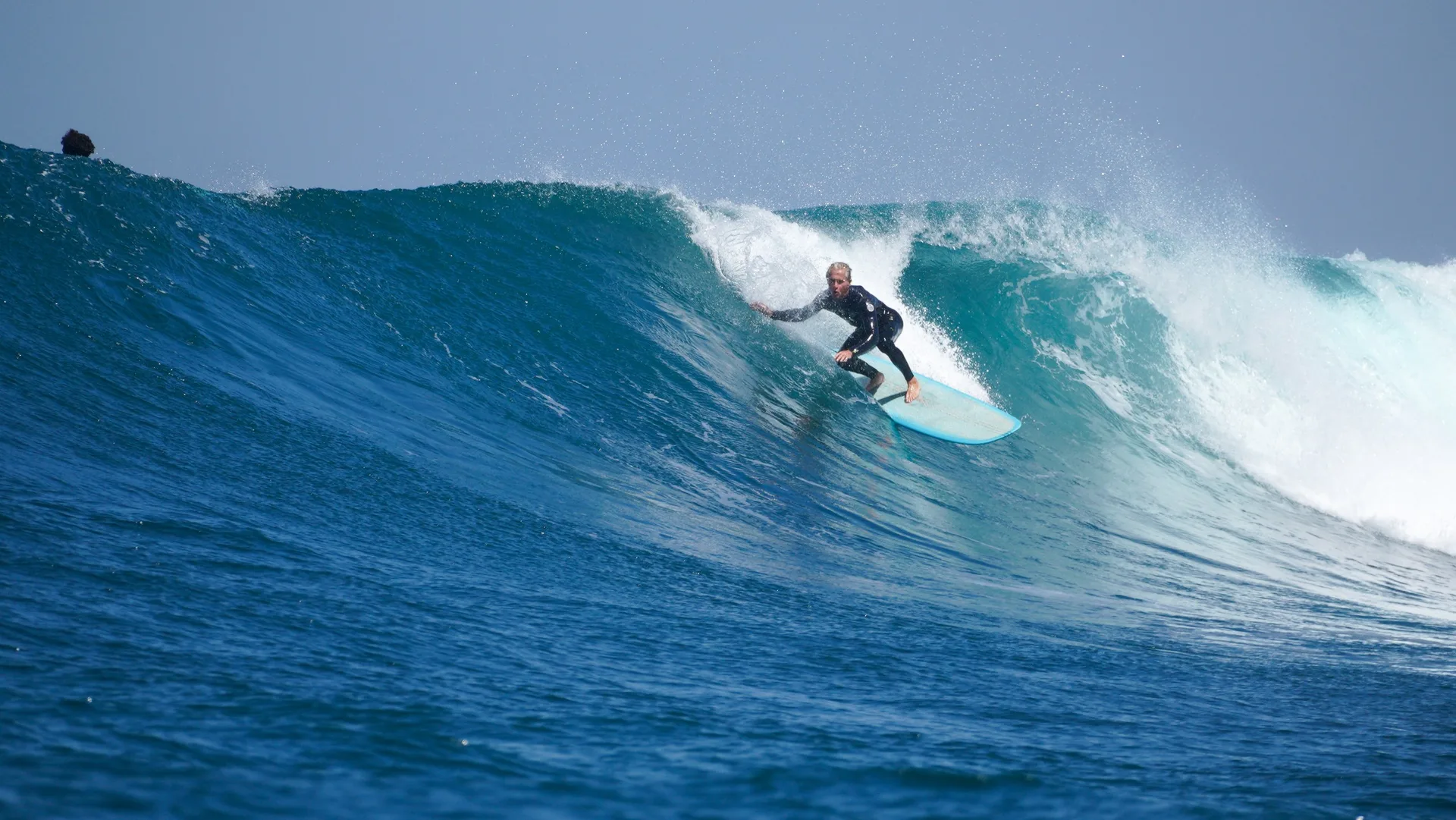
Even if you do not surf, Ngor is one of the most enjoyable places in Senegal to watch surfing from shore. The island’s fame comes largely from Ngor Right, a powerful point break that has drawn experienced surfers for decades, and from Ngor Left, a more forgiving wave that can work for a wider range of levels. Together they give the island a constant sense of anticipation whenever swell arrives.
Ngor’s place in surf culture was cemented by its appearance in *The Endless Summer*, released in 1966. That film introduced many international viewers to African surf travel, and Ngor became one of the most recognisable names on the continent’s surf map. Today, the history still matters, but the island remains very much a living local surf zone, not a museum piece.
Best viewpoints from shore
For Ngor Right, look for elevated or rocky points on the more exposed side of the island where you can watch the line-up from a clear angle without getting too close to the water. Depending on tide and swell, some viewpoints are better than others, and locals can usually point you toward the safest place to stand. Morning often gives cleaner light for watching the wave shape, while late afternoon is excellent for atmosphere and photos.
For Ngor Left, the viewing is often a little more approachable from shore, especially on smaller days when the wave is easier to read. If you are staying with Ngor Surfcamp Teranga, ask the team where to stand that day. Good surf camps do more than arrange sessions, they help guests understand where the sea can be admired safely.
Keep your distance
Watching surf on a rocky Atlantic island is not the same as standing on a broad sandy beach. Rogue sets, slippery rock, and wave surge can catch people out, especially if they are focused on a camera screen.
- Stay well back from wet rock edges.
- Never turn your back fully on the ocean.
- Avoid standing in surfers’ entry and exit paths.
- Keep children beside you near exposed viewpoints.
- Use zoom rather than edging closer for photos.
TIP: If the swell looks bigger than you expected, treat every viewpoint more cautiously than you think necessary. Atlantic energy can travel farther up rocks than first impressions suggest.
Food, cafés, local flavours and what to order
Ngor is a very enjoyable place to eat, especially if you like simple, fresh coastal cooking. The island’s food scene is not about glossy fine dining. It is about grilled fish, rice dishes, onions cooked down into rich sauces, and meals that feel rooted in daily Senegalese life. Small cafés and restaurants are scattered across the island, with some offering sea views and others tucked into quieter lanes.
Seafood is the obvious choice for many visitors. Depending on the catch and the day, you may find whole fish grilled over charcoal and served with rice, fries, salad, or onion sauce. Meals tend to be generous and satisfying, ideal after a swim or a long walk. If you are staying overnight, one of the pleasures of Ngor Surfcamp Teranga is that breakfast and dinner are included, making it easy to enjoy traditional home-style Senegalese cooking without having to plan every meal yourself.
Classic dishes to try
A visit to Ngor is a good chance to order some of Senegal’s best-known dishes:
- Thiéboudienne, Senegal’s iconic fish and rice dish, often served with vegetables and a rich tomato base.
- Yassa, usually fish or chicken with onion, mustard, and citrus, deeply savoury and comforting.
- Grilled fresh fish, simple and often the best lunchtime option near the water.
- Café Touba or local coffee, if available, for a strong flavourful break.
If you are unsure what is freshest, ask what was prepared that day rather than ordering blindly from a long menu. Smaller island restaurants often do a few things very well. Following the daily recommendation is usually a smart move.
Eating well on the island
Service can be slower than in a city café, but that is part of the rhythm. Food is often cooked to order, and the island rewards patience. Lunch can easily stretch into an hour or more, especially if you are sitting near the sea. For many travellers, that unhurried pace is one of Ngor’s great strengths.
A few practical habits help:
- Carry cash in XOF, since card payments are not always available.
- Ask about the day’s fish rather than assuming everything on the menu is in stock.
- Expect a relaxed pace, especially at busy lunch hours.
- Drink plenty of water, particularly after sun exposure.
- If you have dietary restrictions, explain them simply and early.
Sunsets, evenings and the island after the heat fades
Late afternoon is arguably when Ngor becomes most beautiful. The light softens, the lanes cool, and the west-facing side of the island starts to glow. If you only have a few hours, try not to leave before sunset. This is when the island’s textures, sea views, and social atmosphere come together best.
The best sunset spots are generally on the western and south-western edges, where you can look directly out over the Atlantic. Some viewpoints are rocky and elevated, while others are closer to the waterline. The exact best place depends on swell and where you can sit or stand comfortably, but the principle is simple: head west, arrive early, and watch the colour build slowly rather than rushing over at the last minute.
Timing your evening well
Sunset times shift through the year, so it is worth checking on the day, but arriving 30 to 45 minutes before sunset is ideal. This gives you time to find a good position, settle in, and enjoy the golden hour before the sun drops. The period just after sunset can be equally lovely, with softer pink and blue tones spreading across the horizon.
The atmosphere is usually relaxed rather than rowdy. You may hear quiet conversation, distant music, or the sound of waves wrapping around the rocks. It is a good time for couples, photographers, and anyone who wants a reflective end to the day. If you are staying overnight, dinner after sunset feels especially satisfying, and this is another reason Ngor works so well as more than a day trip.
FACT: Because Ngor sits just offshore from Dakar’s far western edge, it offers some of the most memorable easy-access Atlantic sunsets in the capital region.
Shopping, etiquette, non-surf activities and planning your visit
Ngor is not a major shopping destination in the conventional sense, but that is part of its appeal. What you find is smaller scale, more personal, and tied to local makers and daily life. You may come across artisans, handmade objects, textiles, jewellery, paintings, or simple decorative souvenirs rather than rows of standard tourist products. Buy what feels local and well made, not what feels mass-produced.
When shopping, polite conversation matters as much as the transaction. Ask the price respectfully, feel free to compare items, and do not bargain aggressively over very small amounts. Supporting island makers is more meaningful than pushing for the absolute lowest price. At the same time, avoid buying anything made from protected marine life, coral, or shells taken in ways that seem environmentally harmful.
Cultural etiquette and Teranga hospitality
Senegal is known for Teranga, the deep local culture of hospitality, warmth, and generosity. On Ngor, you feel this in greetings, invitations, and the general openness of daily interactions. Returning that respect is simple and important. Say hello. Be patient. Dress with some sensitivity when moving away from the beach. Near mosques or residential areas, modest clothing is appreciated.
Photography deserves extra care. Landscapes and streets are usually fine, but people should not be treated as scenery. Ask before taking close portraits, especially of children, elders, fishermen at work, or anyone in a private or religious setting. A small gesture of respect shapes the whole experience.
Activities for non-surfers
You do not need to surf to enjoy Ngor. In fact, many of the island’s best pleasures are low-key.
- Paddling on calm water, where conditions allow
- Snorkelling on gentler days with clear visibility
- Yoga retreats or private practice, especially in quiet morning hours
- Long swims on the calmer side of the island
- Reading, resting, and doing very little in a beautiful place
This is also where a place like Ngor Surfcamp Teranga works well even for mixed groups. One person can head out for a coached surf session while another relaxes by the pool, watches the sea, joins a walk, or simply enjoys the island’s slower pace.
How to plan your day
Ngor works as a half-day trip, a full day, or an overnight stay. Morning is best if you want cooler temperatures, clearer light, and a quieter walk. Afternoon is ideal for lunch, beach time, and sunset. If you are based in Dakar, a split day works well: city sightseeing in the morning, island crossing after lunch, sunset on Ngor, then back to the mainland in the evening.
If you stay overnight, the island reveals another side of itself. Early morning is peaceful, and surfers can make the most of conditions before day visitors arrive. For anyone wanting a deeper experience, this is the strongest option.
CHECKLIST: Cash in XOF CHECKLIST: Reef shoes or sturdy sandals CHECKLIST: High-factor sunscreen CHECKLIST: Refillable water bottle CHECKLIST: Light layer for evening breeze CHECKLIST: Dry pouch for phone and valuables
SUMMARY: Ngor Island is small, easy to explore, and full of character. Come for the beaches, the walkable lanes, the Atlantic views, the food, and the chance to experience a car-free island only minutes from Dakar. Stay for sunset if you can, and stay overnight if you want the best of its rhythm. For surfers and non-surfers alike, Ngor Surfcamp Teranga is an excellent base, with local expertise, daily meals, sea views, boat transfers, and access to one of West Africa’s most storied surf settings. To plan your stay or ask about surf guiding and video coaching, contact Ngor Surfcamp Teranga on WhatsApp: +221 78 925 70 25.
Most visitors experience about 5,10 minutes on the water, depending on boat type, loading, and sea state. Treat schedules as flexible.
Yes. Keep small-denomination XOF for boats, snacks, and tips. Cards may not be reliable everywhere on the island.
No. Non-surfers enjoy walking, swimming on calm days, food, and slower pacing, though surf culture is part of the island's identity.