Booking a surf trip in Senegal often starts with the obvious questions: when the swell is best, which break suits your level, and whether you want island calm or city access. But there is another question that matters just as much, especially if you are trusting someone else with your sessions, transport and progression: is the camp licensed?
For anyone searching for a licensed surf camp senegal, accreditation is not a bureaucratic footnote. It is one of the clearest signals that a surf operation takes coaching, safety and accountability seriously, and in a destination where reef breaks, boat access and changing Atlantic conditions all shape the day, that matters.
Why licensing matters in a surf destination like Senegal
Senegal has long held a special place in surf travel. Ngor Island, a small island 400 metres off the village of Ngor near Dakar, became internationally known after The Endless Summer was filmed there in 1964 and released in 1966. That history still draws surfers, but the appeal is not only cinematic. The Dakar peninsula offers a concentration of different waves within a relatively compact area, from easier mainland beach breaks to more demanding reef setups.
Ngor itself is central to that story. The island sits just off the tip of the Almadies area, reached by a bateau crossing of about five minutes from the mainland. Offshore, the best-known wave is Ngor Right, a reef break widely recognised as fast, hollow and heavy, with reef beneath. Ngor Left is the mellower option, longer and more forgiving by comparison, though still part of an ocean environment that deserves respect.
That combination, famous surf, easy access from Dakar, and a mix of wave types, is exactly why licensing matters. A camp is not simply selling a bed and pointing at the horizon. It is making decisions about where guests surf, how they get there, what level of guidance they receive, and how risk is managed when conditions change.
A licensed operation gives travellers a stronger framework for trust. It suggests that the camp is working within recognised standards rather than improvising them.
In surf travel, the quality of a trip is often decided before anyone paddles out.
What FSS accreditation means at Ngor Surfcamp Teranga
Ngor Surfcamp Teranga is licensed by the Fédération Sénégalaise de Surf. For guests, that matters because it places the camp within the official structure of Senegalese surfing rather than outside it.
In practical terms, accreditation matters for three broad reasons.
First, it speaks to legitimacy. Senegal’s surf scene is not new, and Dakar has long been home to local surfers and established breaks. Choosing an FSS-licensed camp means booking with an operator that is part of that local surf framework.
Second, it matters for coaching standards. Surf coaching is not just about enthusiasm or local familiarity. Good instruction depends on reading conditions, matching surfers to the right wave, structuring feedback and understanding progression. At Ngor Surfcamp Teranga, surf guiding and theory sessions are part of the camp offering, with optional surf coaching and video analysis available as extras. That combination is especially useful in a place where one break may suit a confident intermediate while another is better left to advanced surfers.
Third, accreditation matters for safety culture. No surf camp can remove risk from the ocean, and no honest operator should pretend otherwise. But there is a meaningful difference between a camp that plans around conditions and one that simply reacts to them. On an island reached by boat, with reef breaks in the mix, organisation is part of safety.

Ngor Island lies 400 metres off the village of Ngor near Dakar and is reached by a bateau crossing of about five minutes.
The link between licensing, coaching and progression
Many travellers think of licensing mainly in terms of paperwork. In reality, its value is often most visible in the quality of the coaching experience.
Progress in surfing rarely comes from surfing the most famous wave available. It comes from surfing the right wave at the right time, with clear feedback and enough repetition to build confidence. That is where a licensed camp can make a real difference.
At Ngor Surfcamp Teranga, the setup is designed around that idea. The camp includes surf guiding and theory sessions, and guests can add coaching and video analysis. Those details matter because progression is not only physical. It is technical and observational too. A surfer may need help understanding take-off positioning, timing on a reef, line choice, or how to adapt from a beach break rhythm to a point or reef setup.
Senegal is well suited to that kind of learning because the Dakar area offers variety. Cross-source reporting consistently identifies mainland spots such as Yoff, Ouakam, Virage and Almadies as part of the local surf map. Some are more approachable than others. Yoff is known as a beginner break, while Almadies, Ouakam and Virage can be more challenging depending on conditions. On Ngor itself, the contrast between the island’s two main waves is already instructive: Ngor Right is the more serious proposition, while Ngor Left is the mellower, longer option.
A licensed camp should be able to explain those differences clearly, not vaguely. It should be able to say, in plain terms, which wave suits which surfer and why. That is one of the simplest ways to judge professionalism.
Why safety standards matter more on reef and boat-access surf trips
Every surf destination has its own logistics. On Ngor Island, those logistics are part of the experience. The island is small, with about two kilometres of coastline, and life there still feels distinct from the mainland. There is no grid electricity; power comes from solar panels and generators. The crossing by bateau is short, but it is still a crossing. The surf is close, but not casual.
That context is important. A licensed camp should understand that a surf day begins before the paddle-out. It starts with planning: reading the conditions, choosing the right spot, organising transport, preparing equipment and setting expectations for the group.
At a wave like Ngor Right, that matters even more. The break is known for being fast, hollow and heavy, with reef beneath. The line-up also includes two large rocks known as Mami and Papi. Those are not details to romanticise; they are reminders that local knowledge is essential.
For intermediate surfers especially, the difference between a good session and a stressful one often comes down to whether someone has made a careful call on timing and suitability. A licensed camp should not treat all guests as interchangeable. It should recognise that a surfer who is comfortable on a mellower wave may not be ready for a heavier reef break, even if both are on the same island.

Before booking, ask how the camp decides which spot suits your level on a given day, especially if reef breaks or boat access are involved.
What to ask before you book any surf camp in Senegal
If you are comparing camps, the smartest questions are often the simplest. You do not need insider knowledge to spot whether an operator is organised and transparent. You just need to ask directly and listen carefully to the answers.
Start with licensing. Ask whether the camp is licensed by the Fédération Sénégalaise de Surf. If the answer is yes, ask them to confirm that clearly rather than speaking in general terms about experience or local roots.
Then ask about the structure of the stay. At Ngor Surfcamp Teranga, the core package includes rooms, breakfast and dinner, surf guiding, theory sessions and access to the pool. Extras such as airport transfer, surf coaching, video analysis, board rental, wetsuit rental and lunch are available separately. That kind of clarity is useful because it tells you what is included and what is not.
Next, ask how the camp handles different levels. Senegal can suit a wide range of surfers, but not every wave suits every surfer. Ngor Surfcamp Teranga is suited for all levels, especially intermediates to advanced. That is a realistic framing. It does not pretend that every guest will surf every break in every condition.
You should also ask about seasonality. The prime surf season runs from November to April, while May to October is flatter and considered off-season. A trustworthy camp should be straightforward about that. If you are promised peak conditions outside the prime window without nuance, that should raise questions.
Finally, ask how coaching works in practice. Is there surf guiding only, or can you add structured coaching? Are theory sessions included? Is video analysis available? These details matter because they show whether the camp is thinking about progression as a process rather than a slogan.
How to spot an unlicensed or unreliable operator
Not every weak surf operation looks obviously suspicious. Some simply rely on vague language, borrowed imagery and a loose approach to planning. That is why it helps to know the warning signs.
One red flag is imprecision. If a camp cannot clearly explain where it is based, how guests reach the surf, what is included in the stay, or which waves suit which levels, that is a problem. Surf travel involves variables, but the basics should be clear.
Another warning sign is overpromising. In Senegal, wave quality changes with season and swell. A reliable operator should acknowledge that. It should also be honest about the character of the breaks. Ngor Right, for example, is not a wave to describe casually. It is a canonical break and advanced only in serious conditions.
A third red flag is the absence of any meaningful coaching structure. If a camp talks about “surf lessons” in broad terms but cannot explain how sessions are guided, how feedback is given, or how surfers are grouped by level, it may be selling the idea of coaching rather than the reality.
There is also the question of local integration. Senegal’s surf culture is rooted in real communities, especially around Dakar and the Lébou fishing heritage of places like Ngor. A serious camp should feel connected to that environment, not detached from it.

Good coaching starts with putting surfers in the right conditions for their level, then building understanding session by session.”, The Ngor coaching team
Why Ngor Island is a place where standards matter
Ngor Island is easy to romanticise. It is small, offshore, and wrapped in surf history. But that is exactly why standards matter here. The island is not a generic beach destination. It is a specific place with a specific surf culture and a very particular geography.
Historically, Ngor’s fame is tied to The Endless Summer, which helped introduce the wave to a global audience. But the island’s identity is older than surf cinema. It is part of the Cap-Vert peninsula and shaped by Lébou heritage. Its geology is volcanic, described as hawaïte from the Mamelles formation. Even the practical details of island life, including the lack of grid electricity, remind visitors that this is a lived-in place, not a purpose-built resort zone.
For surfers, that means the experience should be approached with a degree of seriousness. The crossing from the mainland may take only five minutes, but the island asks for a little more awareness than a standard city beach break. Conditions can shift. Reef changes the consequences of mistakes. And the best-known wave carries a reputation for a reason.
A licensed camp is not important because it makes the trip feel official. It is important because it suggests the trip is being run with respect for the place, the ocean and the people arriving to surf it.
The best surf camps do not simplify the ocean; they help you understand it.
What accreditation means for first-timers versus experienced surfers
The phrase licensed surf camp senegal may sound most relevant to beginners, but accreditation matters across the board.
For first-timers or lower-intermediate surfers, licensing matters because it increases the chance of being guided into appropriate conditions. In Senegal, that may mean steering away from the most famous wave and toward something more manageable. There is no shame in that. In fact, it is often the smartest route to improvement.
For solid intermediates, accreditation matters because this is the level where many surfers start making bigger jumps in wave choice without always having the judgement to match. A camp that includes theory sessions and offers video analysis can help bridge that gap. It can turn a holiday into a more structured learning block.
For advanced surfers, licensing still matters because local knowledge remains essential. Even experienced surfers benefit from guidance on timing, access and spot selection, especially in a destination with multiple breaks around Dakar and a famous reef wave on an offshore island.
Ngor Surfcamp Teranga is particularly well suited to intermediates and advanced surfers, though it welcomes all levels. That is a useful distinction. It signals ambition without pretending that every guest will have the same needs.
Practical signs of a well-run camp
When travellers talk about a surf camp being “good”, they often mean the atmosphere was pleasant and the waves were fun. Those things matter, but they are not the whole picture. A well-run camp usually reveals itself through practical details.
Clarity is one. Ngor Surfcamp Teranga is explicit about its location on Ngor Island, 400 metres off the Dakar coast, and about the five-minute bateau transfer from Ngor beach on the mainland. It is also clear about accommodation formats: private rooms, shared rooms and dorms.
Structure is another. Breakfast and dinner are included, while lunch is an extra. Surf guiding and theory sessions are included, while coaching and video analysis can be added. Board rental and wetsuit rental are also clearly listed as extras. That level of definition helps guests plan realistically.
A good camp should also make it easy to understand the broader experience. If you want to see how the island setting looks, browse Ngor Island life. If you want a sense of the accommodation style, see the surf house. If your focus is wave choice and progression, explore the surf setup. Clear information is not glamorous, but it is one of the strongest markers of professionalism.

- Licensing helps signal legitimacy, structure and accountability
- In Senegal, local knowledge matters because wave types and access vary
- The best camps are clear about levels, season and what is included
Questions that matter more than marketing
A polished website or strong social feed can be useful, but neither replaces direct answers. Before booking, focus on questions that reveal how the camp actually operates.
Ask where you are likely to surf if conditions are too strong at the island. Ask how the camp approaches mixed-ability groups. Ask whether theory sessions are included for all guests or only for coached packages. Ask what equipment can be rented if you do not travel with your own board. Ask how airport transfer works if you are arriving in Dakar and heading straight to the island.
These are not awkward questions. They are sensible ones. A serious camp should welcome them.
It is also worth asking how the camp describes the season. The prime period is November to April. That does not mean every day is identical, but it does mean the camp should be able to explain why that window is preferred. Equally, if you are travelling in the flatter months from May to October, the camp should be honest about expectations.
The more specific the answers, the better. Vague reassurance is easy to offer. Useful information is harder, and far more valuable.
Why Ngor Surfcamp Teranga’s licensing matters to guests
For guests considering Ngor Surfcamp Teranga, the FSS licence is not an abstract credential. It sits alongside a practical setup that makes sense for a surf stay on Ngor Island.
The camp is based on the island itself, close to the waves that made the area famous. It offers accommodation in private, shared and dorm formats, with breakfast and dinner included. Surf guiding and theory sessions are part of the stay, and guests can add coaching or video analysis if they want more structured feedback. There is a pool on site, and practical extras such as airport transfer, board rental, wetsuit rental and lunch can be arranged.
That combination matters because it reflects a coherent surf trip rather than a loose collection of services. You are not simply booking a room near the ocean. You are booking a camp that is set up around the realities of surfing on Ngor Island.
For travellers who value transparency, that is often the difference-maker. The camp tells you what it is, where it is, who it suits and when to come. In surf travel, that kind of honesty is a strength.

- Confirm the camp is licensed by the Fédération Sénégalaise de Surf
- Ask which waves suit your level and how daily spot decisions are made
- what is included in the stay and which services are extras
The bottom line: accreditation is part of a better surf trip
A surf holiday in Senegal can be many things at once: a warm-weather escape, a chance to surf a historic wave, a progression trip, or a first introduction to West African surf culture. But whatever your reason for coming, accreditation should be part of the decision.
Choosing a licensed surf camp senegal is not about chasing formality for its own sake. It is about choosing clearer standards, better communication and a stronger chance of being guided well. In a destination where the difference between a mellow session and a demanding one can be significant, that matters.
Ngor Island rewards surfers who arrive with curiosity and respect. It is a place of surf history, local heritage and memorable Atlantic setups. The right camp should help you experience all of that with more confidence, not more guesswork.
If you are planning a trip, start with the essentials: ask about licensing, ask about coaching, ask about safety and ask about fit. Then compare the answers, not just the photos.
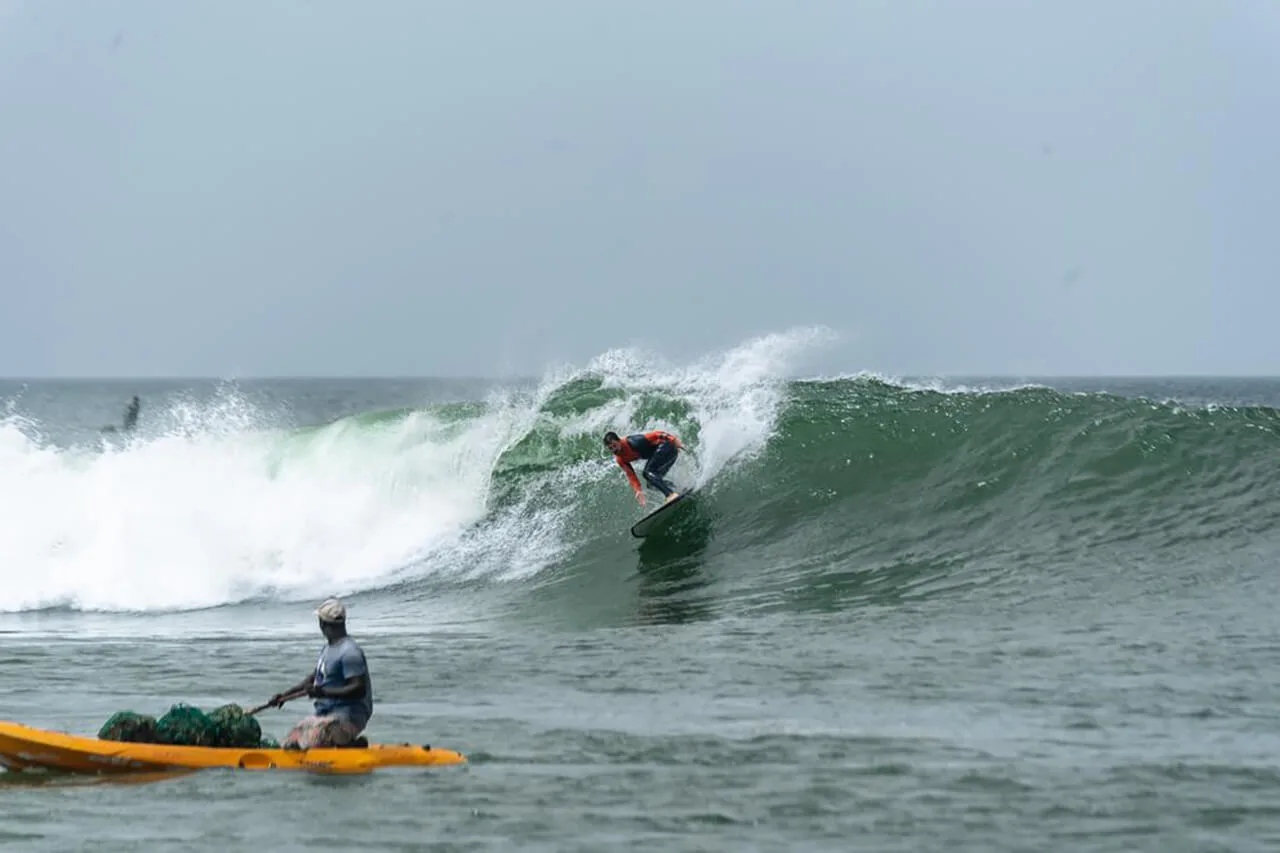
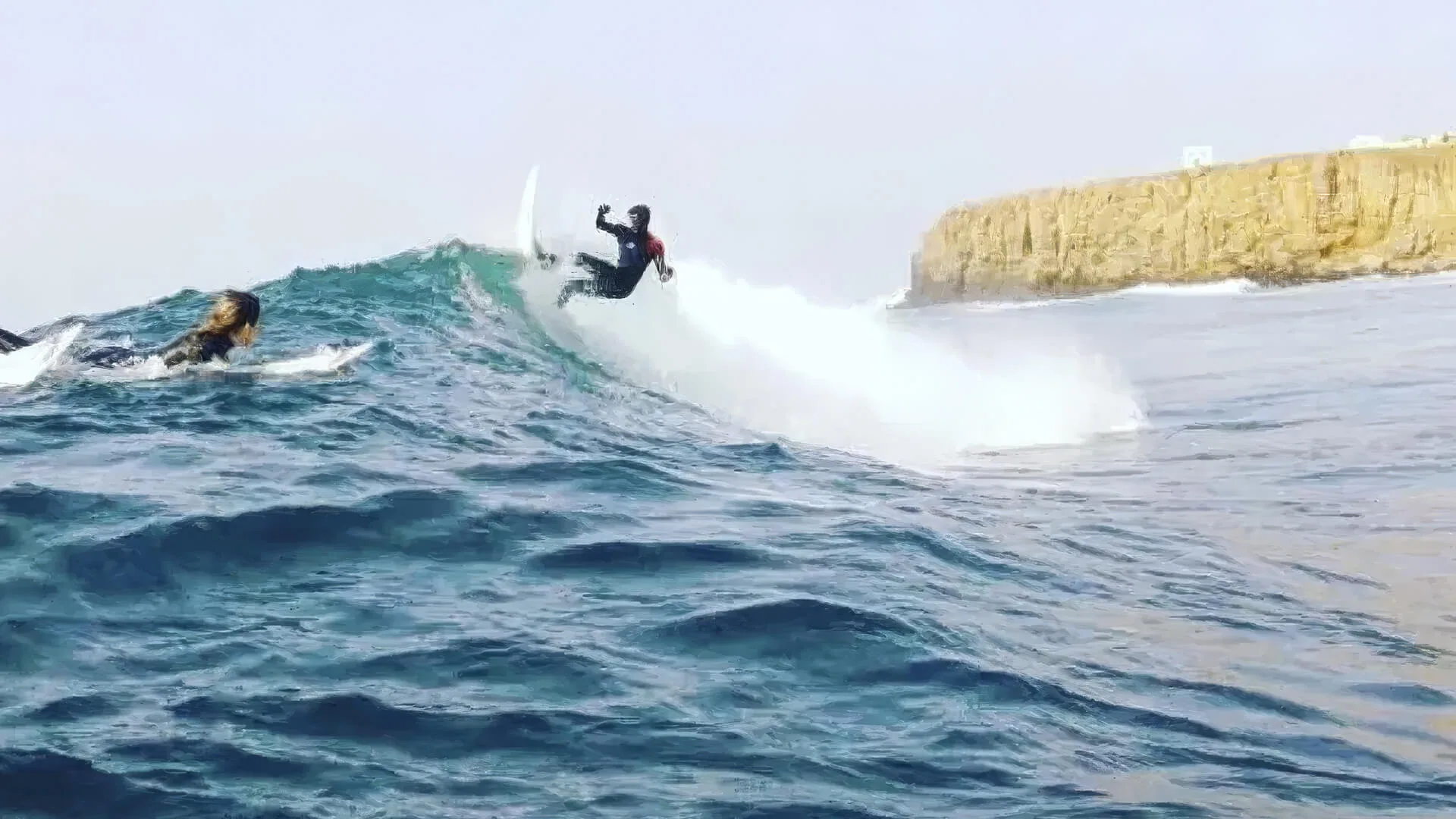
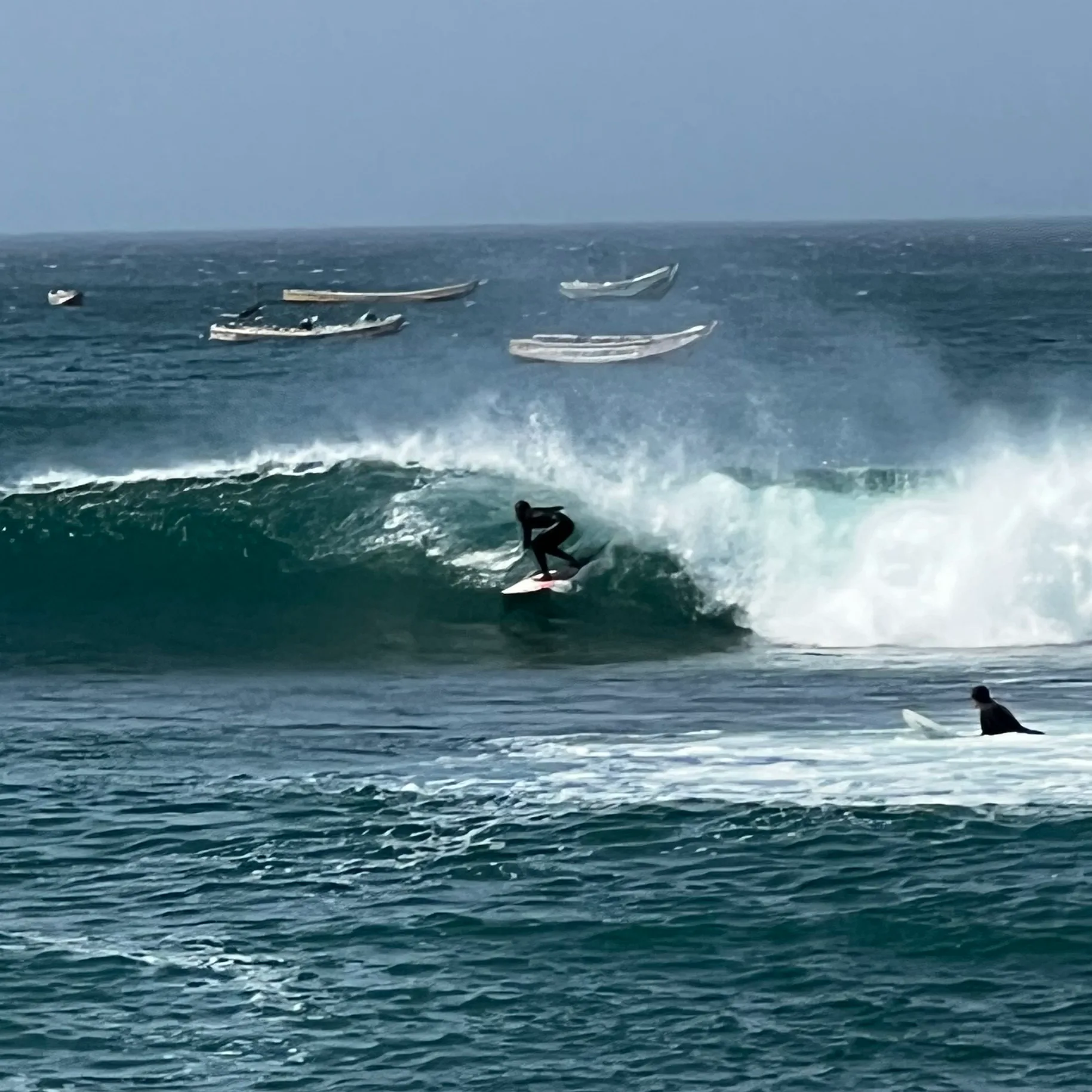
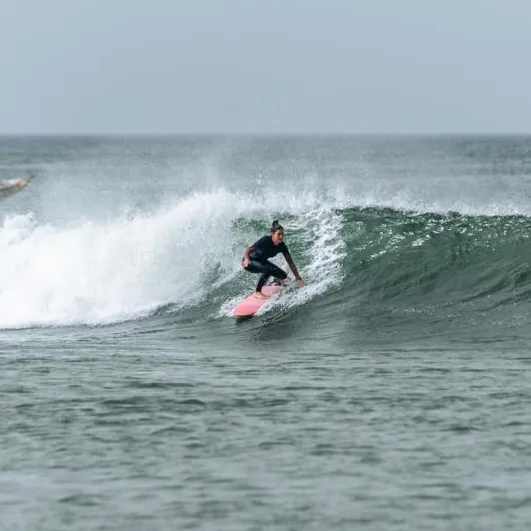
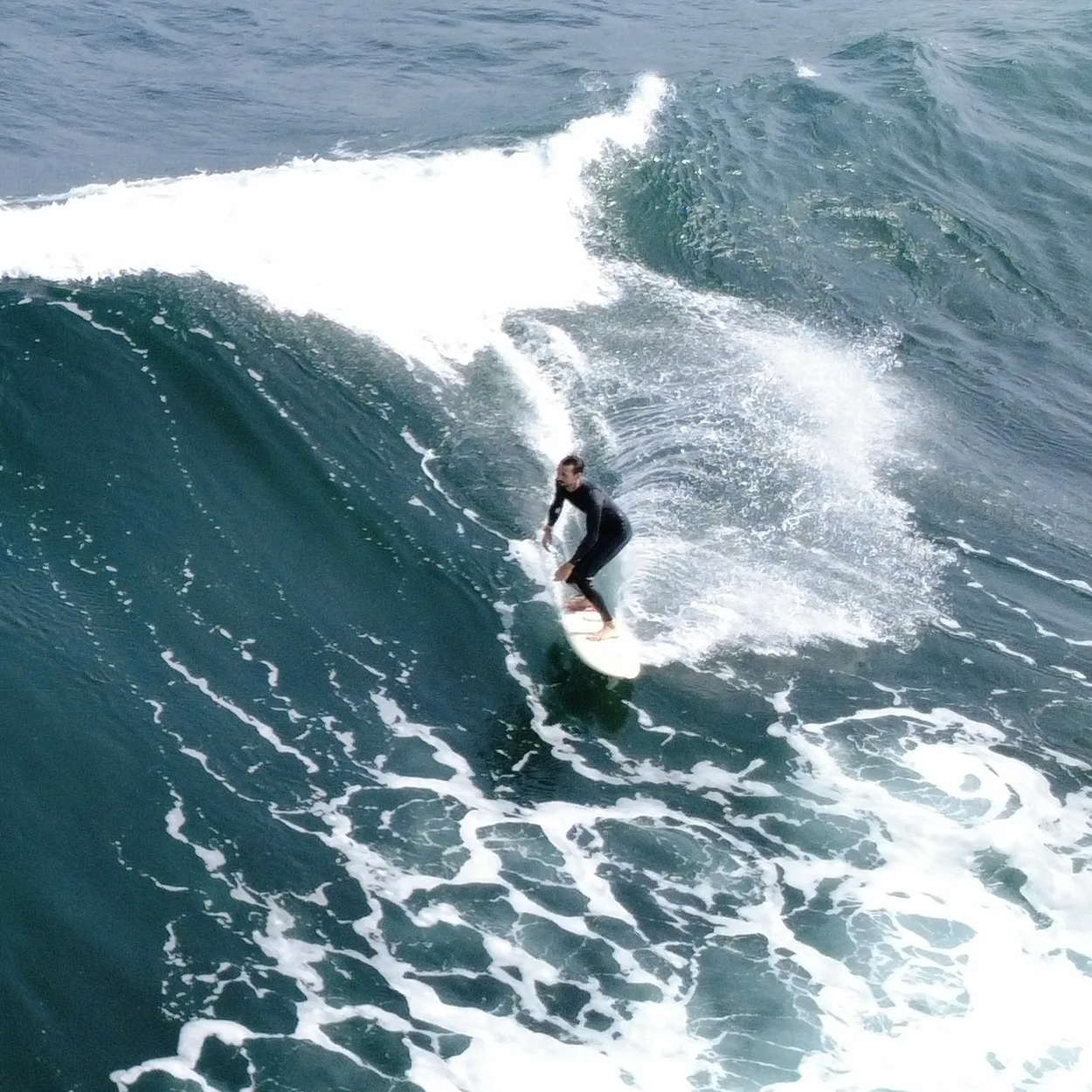
Ngor Right is known as a fast, hollow and heavy reef break, while Ngor Left is the mellower and longer option.
When you are ready to plan your stay, explore availability and trip options at Ngor Surfcamp Teranga, or browse more practical guides on the camp blog before you book.