Just a few minutes away from the bustling avenues of Dakar, and you'll feel like you've stepped into another era.
In Ngor, apartment buildings fade behind walls bleached by salt. The alleyways narrow, children run barefoot between houses, women chat in the shade of verandas, and multicolored pirogues wait for high tide. At the edge of the village, the Atlantic stretches open without obstruction.
Surfers see a wave.
The Lebou people see their home.
Before Ngor became a known traveler destination or a surf spot on the map, this rocky point already belonged to those who read the ocean like others read a familiar face.
The people of the ocean
The Lebou people maintain a relationship with the sea that extends far beyond fishing.
The ocean nourishes, protects, teaches, and commands respect. For centuries, this community settled on the Cap-Vert peninsula has built its existence around tides, winds, and seasons. Departures to sea mark the rhythm of the days, while ceremonies, stories, and traditions remind us that water holds memory.
In Ngor, the ocean is never seen as just a backdrop.
She is a member of the community.
The elders still recount the storms that reshaped the coastline, the years when fish seemed inexhaustible, and those when patience had to be learned. Each generation inherits these stories just as they inherit a pirogue or a net.
The village behind the surf spot
For many visitors, Ngor immediately brings to mind a wave.
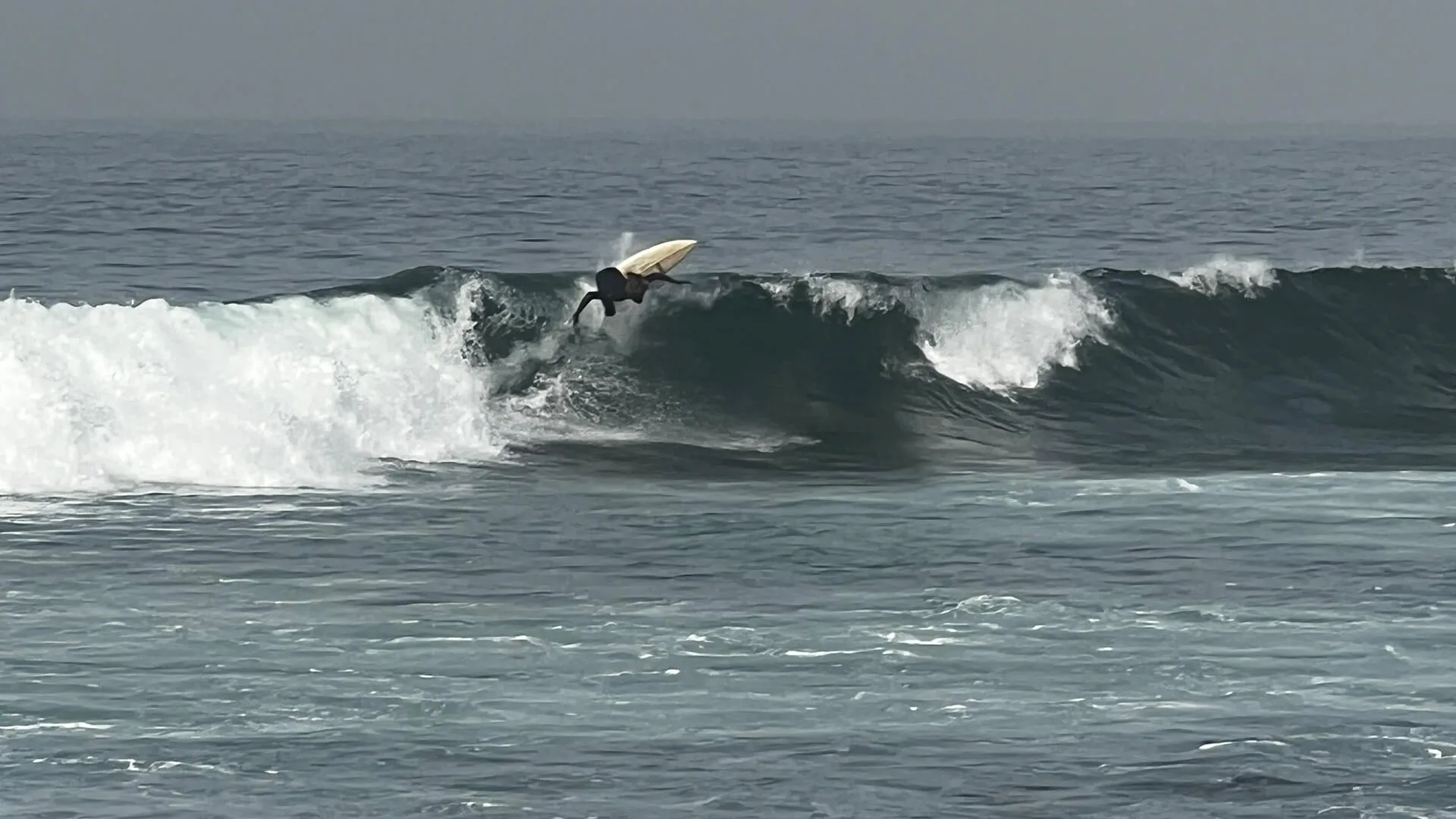
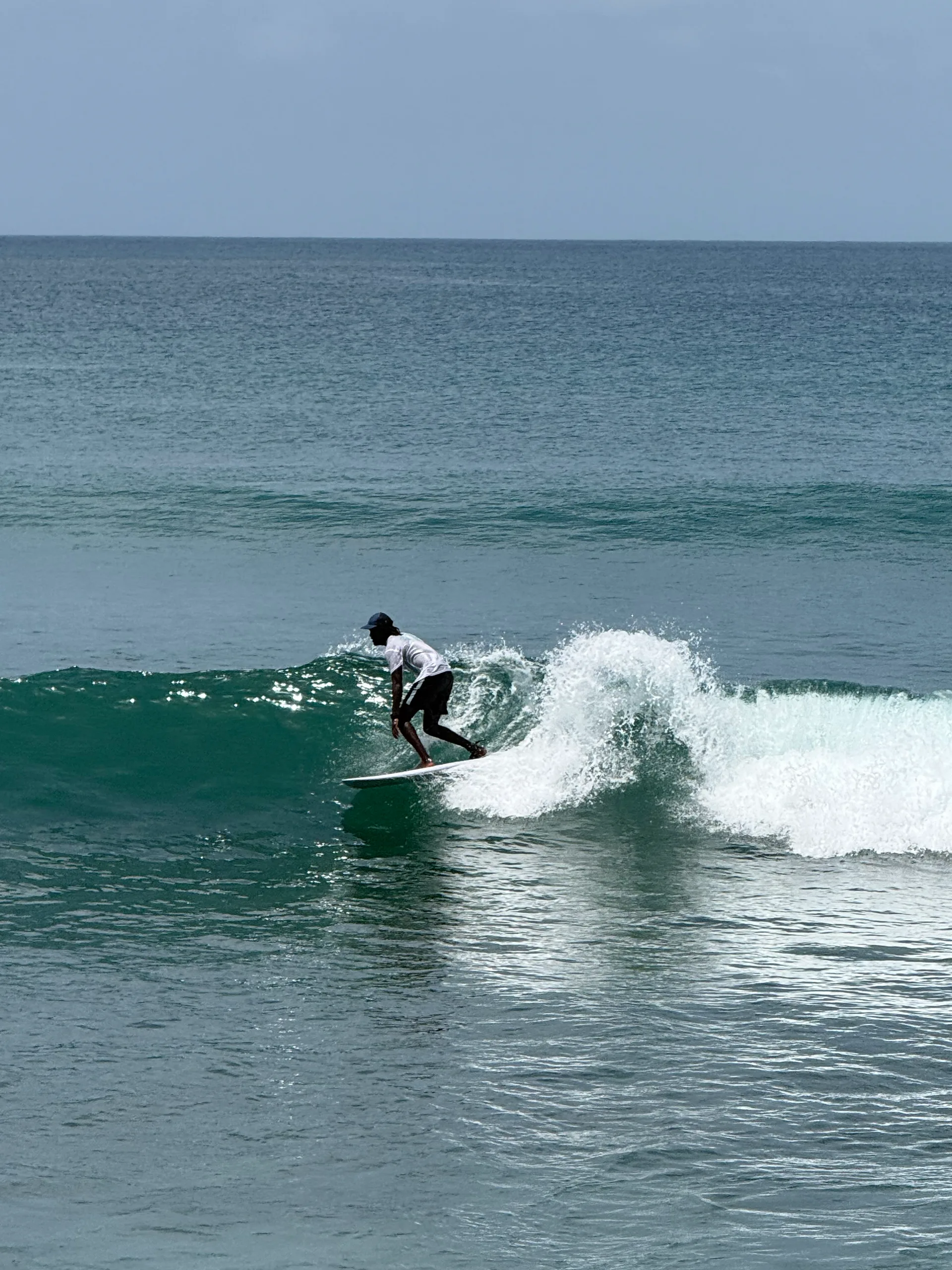
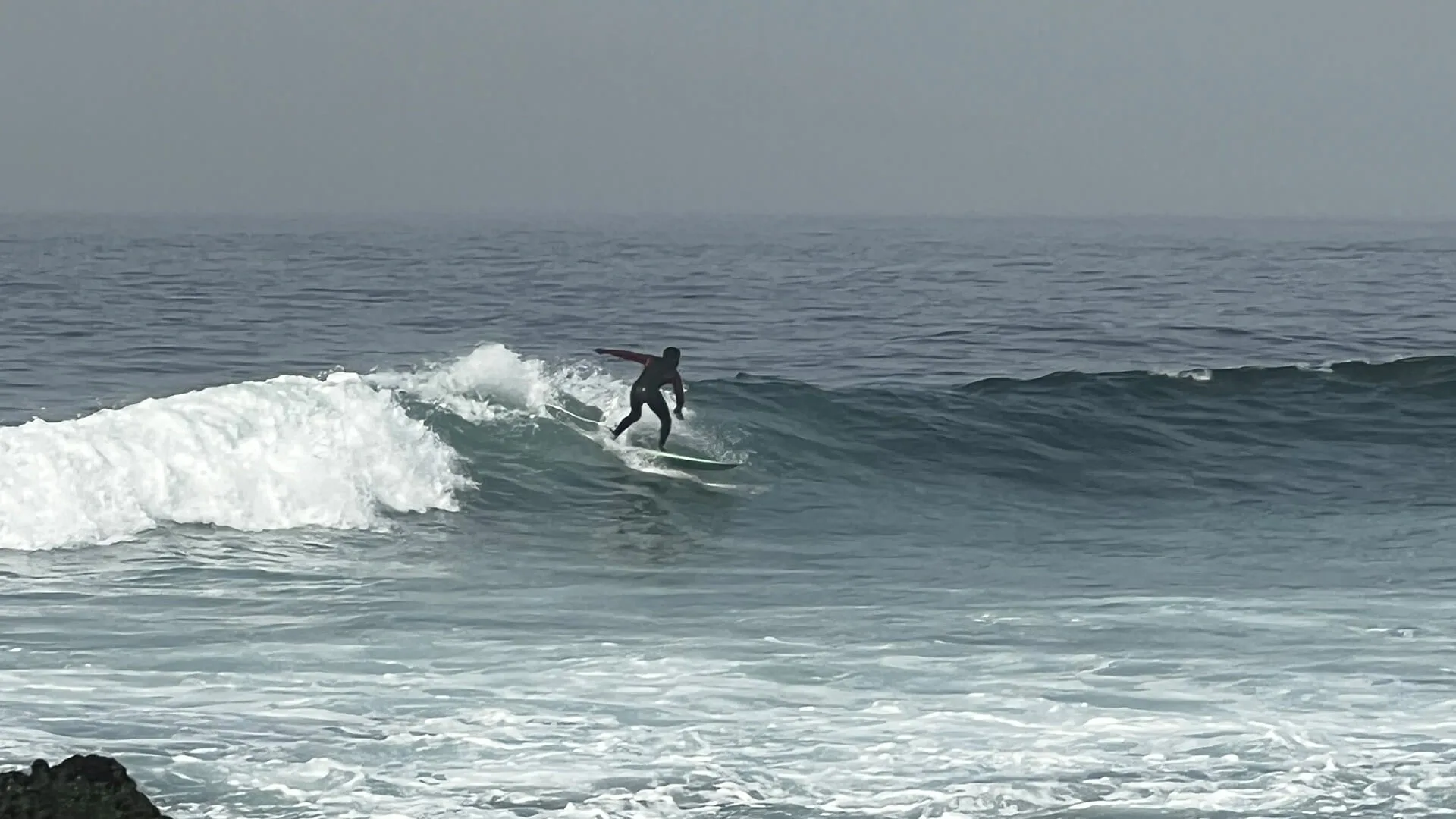
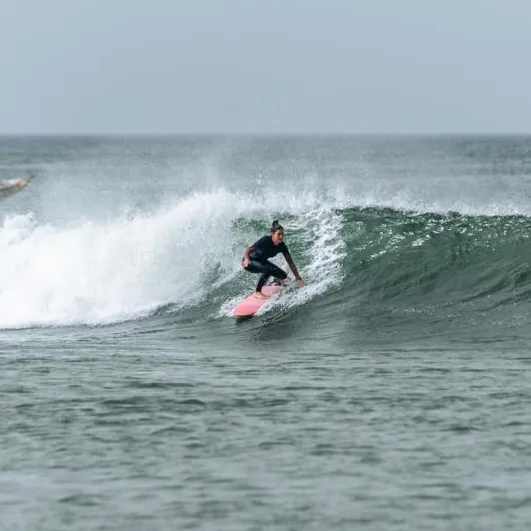
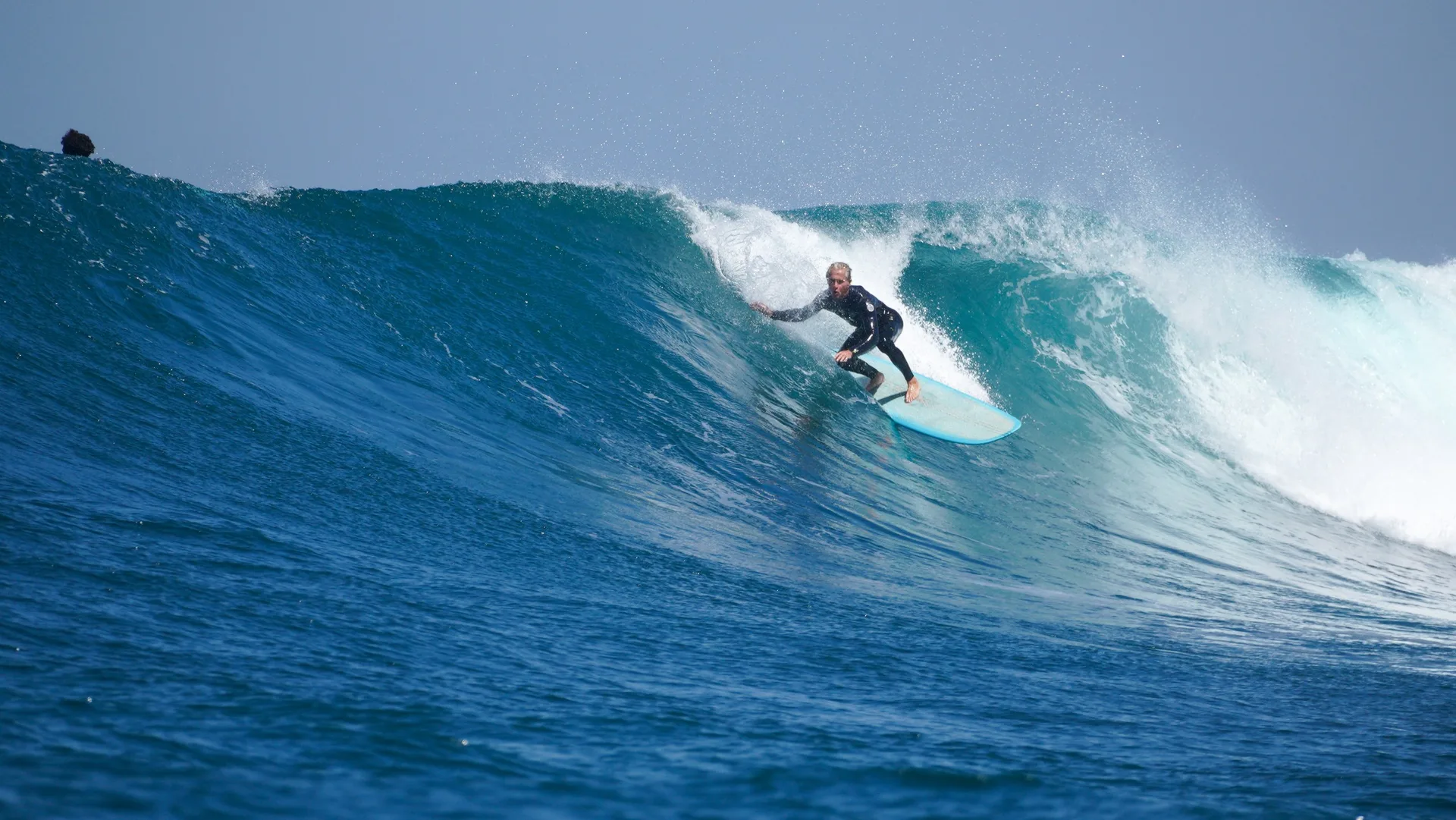
A right-hand wave peeling over the reef, made famous by footage from The Endless Summer and decades of surf photography. Yet, stepping away from the beach for just a moment reveals that the true richness of this place lies within the village.
The doors often remain open.
Greetings take their time.
The tea flows slower than the conversations.
You don't just pass through Ngor; you're welcomed here.
Teranga, that deeply Senegalese hospitality, takes on a discreet form here. It doesn’t seek to impress. It simply exists,in a smile, advice about the tides, or an invitation to share a meal.
The Guardians of the Shore
At dawn, fishermen and surfers take the same path.
The first ones carry nets.
The seconds carry the boards.
They gaze at the same horizon, but seek different things within it.
Fishermen assess the currents, the water's color, the position of birds. Surfers watch the sets, the wind, and swell periods. Yet all know that a successful day depends on one thing: listening to the ocean rather than trying to control it.
This proximity has shaped a form of silent respect.
The waves are never separate from those who live with them.
An island offshore, a different rhythm
Facing the village lies Ngor Island, a few hectares of volcanic rock surrounded by translucent waters. A short pirogue ride is all it takes to reach this other world.
There, the noise of Dakar completely fades away.
The wind replaces the engines.
Seagulls replace car horns.
From the shore, you can watch surfers gliding on the waves while fishermen haul in their lines. Two different actions, but the same dependence on the ocean.
In Ngor, no one owns the ocean.
Everyone borrows a bit of time from it.
Youth Between Heritage and Modernity
Today, a new generation is growing up with two horizons.
One looks towards Lébou traditions, fishing, ceremonies, and the stories of the elders.
The other opens up to the world through surfing, competitions, social media, and travelers from Europe, America, or elsewhere in Africa.
These two worlds don't always oppose each other.
They are talking.
Many young people learn to surf with the same ease as they board a pirogue. They speak multiple languages, welcome visitors, and remain deeply connected to their identity.
The future of Ngor may well be built precisely on this balance.
More than just a destination
The hurried traveler will leave with a photo of a perfect wave.
The one who takes their time will leave with something else.
The memory of a fisherman mending his net under a baobab tree.
The laughter of children jumping from a pirogue.
The scent of grilled fish carried by the wind.
The quiet of the village before sunrise.
The top surf destinations are often defined by their waves.
Great places are defined by the women and men who give them soul.
Ngor belongs to this second category.
Last light
As the sun dips behind the Atlantic, surfboards return to the courtyards and fishing pirogues settle back onto the sand. Conversations linger over tea while the golden light washes over the village facades.
Tomorrow, the waves will return.
As they have always done.
And the Lebou people will still be there, discreet guardians of a stretch of coast where surfing is just one chapter in a much older story.
Because before being a destination, Ngor is a community.
Before being a surf spot, it's a village.
And before being an image, it's a living memory of the Atlantic.
This approach is close to the spirit of The Surfer's Journal: it uses surfing as a common thread but primarily tells the stories of the locals, their history, and their intimate relationship with the ocean. The place is not presented as a "spot to consume" but as a living territory where the Lebou community is the true heart.